
Understanding the Timeline of an Orchard Protection Project
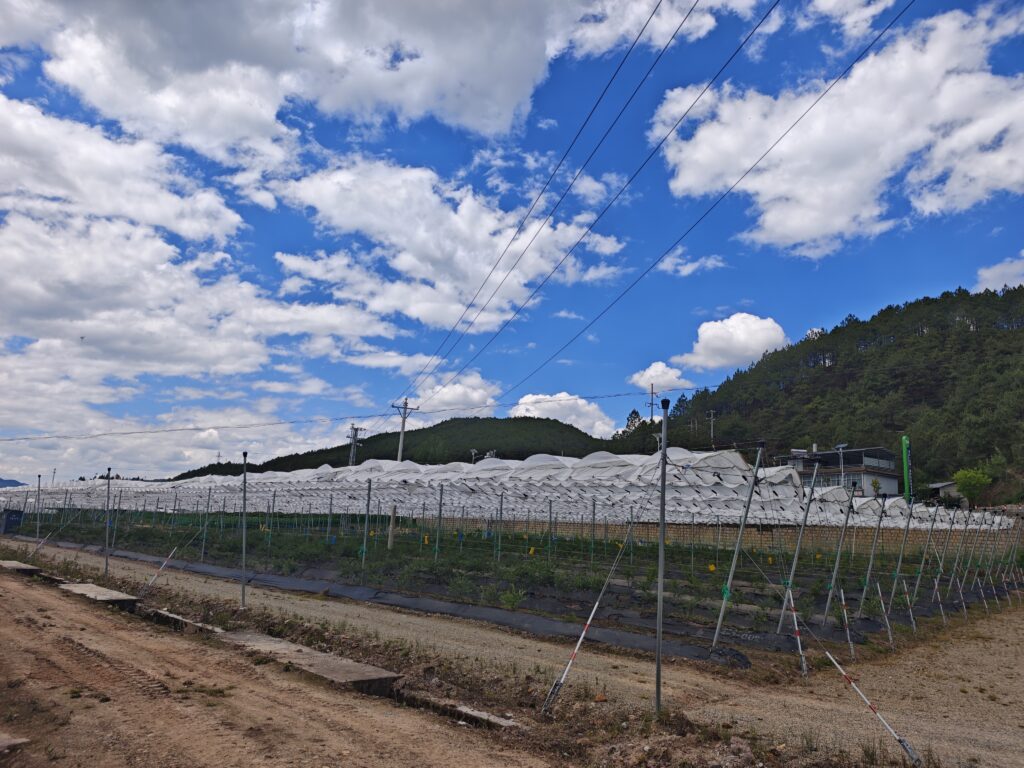
When growers consider investing in a rain cover system, one of the first questions they ask is:
“How long will the installation take?”
The answer depends on several factors, including orchard size, terrain, weather conditions, and the type of protection system being installed.
While every project is unique, understanding the typical installation timeline helps growers plan labor schedules, coordinate orchard operations, and ensure protection is in place before critical weather events occur.
This article provides an overview of the factors that influence installation time and explains what growers can expect during a typical orchard rain cover project.
Why Installation Timing Matters
Orchard protection systems are most valuable when they are operational before the highest-risk weather periods arrive.
For many fruit crops, this means completing installation before:
- Rainy harvest seasons
- Spring hailstorms
- Summer heat waves
- Strong wind periods
Proper scheduling helps growers avoid disruptions and maximize the benefits of their investment.
Planning ahead also allows installation teams to work more efficiently and reduces the likelihood of project delays.
Factors That Affect Installation Time
No two orchards are exactly alike.
Several factors influence how quickly a rain cover system can be installed.
Orchard Size
The size of the orchard is usually the biggest factor affecting project duration.
Larger orchards naturally require:
- More structural components
- Longer cable systems
- Additional installation crews
- More construction time
A small orchard may be completed relatively quickly, while large commercial projects often require phased installation over a longer period.
Terrain and Site Conditions
The characteristics of the site also play an important role.
Flat Orchards
Flat land generally allows for:
- Easier access
- Faster equipment movement
- Simpler structural alignment
As a result, installation is often more efficient.
Sloped or Uneven Orchards
Hillside orchards may require:
- Additional site preparation
- Specialized installation techniques
- More careful structural adjustments
Although modern systems can be adapted to various terrains, complex landscapes often increase project timelines.
Weather During Construction
Weather conditions can significantly affect installation schedules.
Construction teams must consider:
- Rainfall
- Strong winds
- Extreme temperatures
- Ground conditions
Poor weather may temporarily pause certain activities to ensure worker safety and installation quality.
This is why many growers schedule projects during favorable construction periods whenever possible.
Type of Protection System
Different systems require different levels of installation complexity.
Fixed Rain Cover Systems
Fixed systems generally have:
- Simpler designs
- Fewer moving parts
- Faster installation processes
Retractable Cover Systems
Retractable systems typically involve:
- Additional engineering
- Mechanical components
- Operational testing
Although installation may take longer, these systems provide greater flexibility and environmental control.
Multi-Functional Protection Systems
Some projects combine:
- Rain covers
- Anti-hail nets
- Bird protection
- Insect exclusion systems
Because multiple protective elements are integrated into one structure, installation timelines may be slightly longer.
However, growers benefit from more comprehensive protection.
A Typical Rain Cover Installation Timeline
Although timelines vary from project to project, most orchard rain cover installations follow a similar sequence.
Site Assessment and Planning
Typical Duration: 1–3 Days
Before construction begins, technical teams evaluate:
- Orchard layout
- Terrain conditions
- Tree height
- Row spacing
- Local weather risks
This information is used to finalize project design and installation planning.
Proper preparation at this stage often prevents delays later in the project.
Material Delivery and Organization
Typical Duration: 1–2 Days
Once planning is complete, materials are delivered to the orchard.
This typically includes:
- Support poles
- Structural cables
- Fastening components
- Cover materials
- Netting systems
Organizing materials before construction begins helps improve efficiency throughout the installation process.
Framework Construction
Typical Duration: 2–7 Days
The framework forms the structural backbone of the protection system.
During this phase, installation teams:
- Position support structures
- Install cables
- Align structural components
This stage is often the most visible part of the project and typically requires the largest amount of labor.
Cover and Net Installation
Typical Duration: 2–5 Days
Once the framework is complete, protective components are installed.
Depending on the system, this may include:
- Rain covers
- Retractable membranes
- Anti-hail nets
- Side protection systems
The goal is to ensure complete and uniform coverage across the orchard.
Inspection and Final Adjustments
Typical Duration: 1–2 Days
Before the project is completed, installation teams perform a final inspection.
This includes checking:
- Structural stability
- Cover tension
- Alignment
- Operational functionality
Any necessary adjustments are completed before the system enters service.
System Handover
Typical Duration: 1 Day
The final stage involves introducing growers to the completed system.
This typically includes:
- Operational guidance
- Maintenance recommendations
- Seasonal management suggestions
At this point, the orchard protection system is fully ready for use.
How Good Planning Helps Speed Up Installation
Successful projects often begin long before materials arrive on-site.
Proper planning can significantly reduce installation time by improving coordination and minimizing unexpected challenges.
Important planning considerations include:
Early Site Evaluation
Understanding orchard conditions in advance allows project teams to prepare more effectively.
Clear Project Scheduling
Coordinating labor, materials, and equipment improves workflow efficiency.
Material Preparation
Having all required components ready before construction begins helps avoid interruptions.
Weather Monitoring
Scheduling installation during favorable weather windows can prevent costly delays.
When these factors are managed effectively, projects tend to move more smoothly and finish on schedule.
What Growers Should Expect
Most orchard rain cover projects are completed faster than many growers expect.
While exact timelines vary, the installation process is typically organized, efficient, and carefully coordinated.
Growers can generally expect:
- A clear project schedule
- Professional site preparation
- Structured installation phases
- Final inspection and support
The result is a protection system designed to provide long-term benefits for fruit quality, yield stability, and weather risk management.
Conclusion
The time required to install a rain cover system depends on many factors, including orchard size, terrain, weather conditions, and system complexity.
While smaller projects may be completed within several days, larger commercial orchards often require additional time to ensure proper installation and long-term performance.
What remains consistent across all successful projects is the importance of planning.
With proper preparation and experienced installation teams, orchard rain cover systems can be installed efficiently and provide reliable protection for many growing seasons to come.
Looking for a Customized Orchard Protection Project?
We provide complete orchard protection solutions for fruit growers worldwide, including:
- Rain cover systems
- Retractable orchard covers
- Anti-hail net systems
- Multi-functional orchard protection structures
- Customized engineering and installation support
Our team works closely with growers to develop solutions tailored to their orchard conditions, climate challenges, and production goals.
Contact us today to discuss your orchard protection project.