
Understanding Rain-Induced Cherry Cracking and How Growers Can Protect Their Harvest
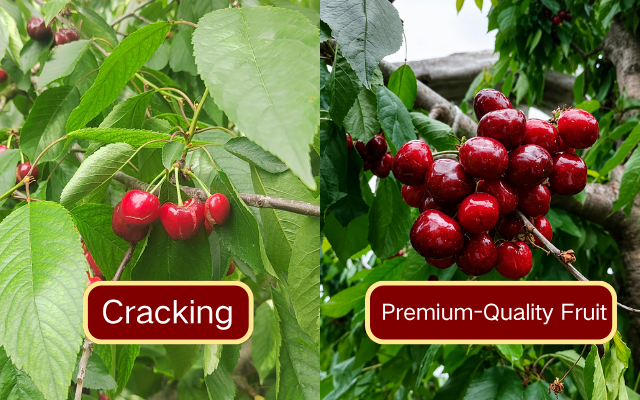
Cherry cracking, also known as rain cracking, is one of the most common and economically significant problems for cherry growers worldwide. Even a short period of rainfall during the final weeks of fruit development can damage a large portion of the harvest, reducing fruit quality, marketability, and overall profits. Understanding why cherries crack and what factors contribute to the problem is essential for growers aiming to protect their crops effectively.
What Causes Cherries to Crack?
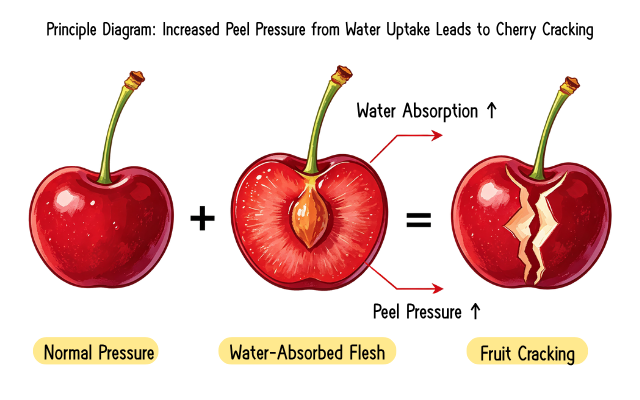
Cherries crack when water enters the fruit faster than the skin can expand. This usually occurs during the final ripening stage when the skin is highly elastic but also vulnerable. Several factors contribute to rain-induced cracking:
1. Water Absorption Through the Skin
During rainfall, water sits on the surface of the cherries. The fruit skin absorbs moisture, leading to rapid internal swelling. When the internal pressure exceeds the skin’s elasticity, cracks appear on the fruit surface.
2. Rain After Dry Periods
Cherries that have experienced a dry period are particularly prone to cracking. A sudden influx of water from rain causes the fruit to swell quickly, often resulting in more severe cracking than during continuous wet conditions.
3. High Humidity
Extended periods of high humidity slow evaporation, keeping the fruit surface wet for longer periods. This prolonged exposure increases the likelihood of cracking, even without direct rainfall.
4. Fruit Maturity and Variety
- Mature fruit: Fully ripened cherries are softer and more susceptible to cracking.
- Variety differences: Some cherry cultivars have thinner skins or higher water uptake tendencies, making them more vulnerable to rain-induced damage.
Economic Impact of Rain Cracking
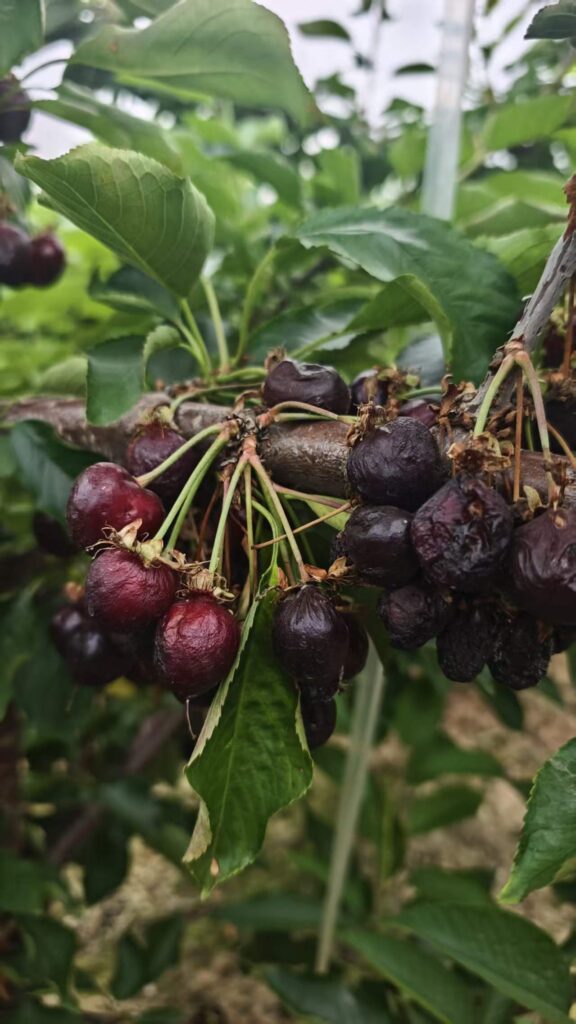
Rain cracking can lead to:
- Reduced export-quality fruit
- Increased post-harvest losses
- Lower prices in domestic and international markets
- Additional labor costs for sorting damaged fruit
In high-value markets, even a small percentage of cracked fruit can represent significant financial losses.
Strategies to Reduce Cherry Cracking
While weather cannot be controlled, growers can take steps to protect their harvest:
1. Rain Cover Systems
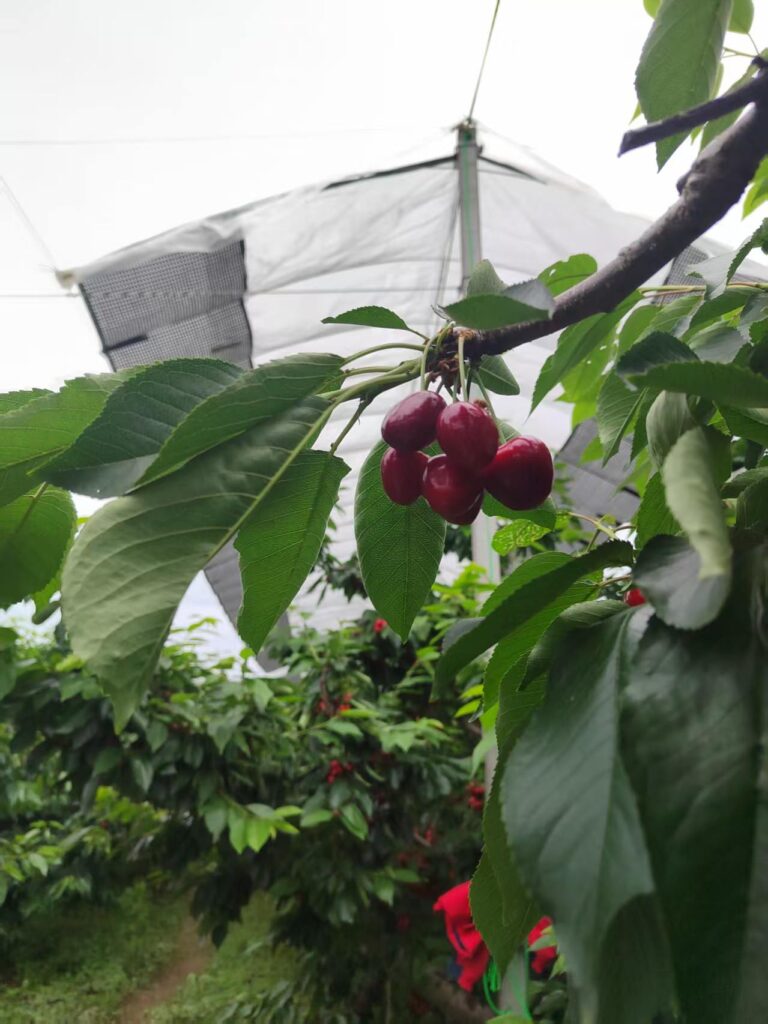
Installing protective rain covers or retractable orchard canopies can physically block rainfall from reaching the fruit. These systems reduce direct water contact and lower the incidence of cracking.
2. Orchard Microclimate Management
- Ensuring proper tree spacing for air circulation
- Using ventilation and controlled irrigation
- Minimizing prolonged leaf wetness
These strategies reduce humidity and help maintain a healthier fruit surface.
3. Selecting Resistant Varieties
Some cherry cultivars are naturally more resistant to cracking due to thicker skins or reduced water absorption. Choosing suitable varieties for your local climate can mitigate risks.
4. Timely Harvest Management
Monitoring fruit maturity and weather forecasts allows growers to schedule harvests strategically, reducing the window during which rain can cause damage.
The Role of Rain Cover Systems
For growers targeting premium markets, rain covers have become a key component in orchard management:
- Physical protection: Shields fruit from rainfall.
- Improved fruit quality: Reduces cracking, maintains skin firmness and color.
- Consistent yields: Minimizes weather-related losses.
- Market competitiveness: Supports export-grade fruit standards.
By combining rain covers with other orchard management practices, growers can significantly reduce cracking and maintain higher-quality harvests.
Conclusion
Rain-induced cracking is a major challenge in cherry production, influenced by water exposure, humidity, fruit maturity, and variety susceptibility. While growers cannot control the weather, proactive measures—especially the use of rain cover systems—can greatly mitigate the risk. Protecting cherries from rain not only preserves fruit quality but also enhances profitability and ensures consistency in competitive markets.