
Understanding the Typical Timeline for Orchard Protection Projects
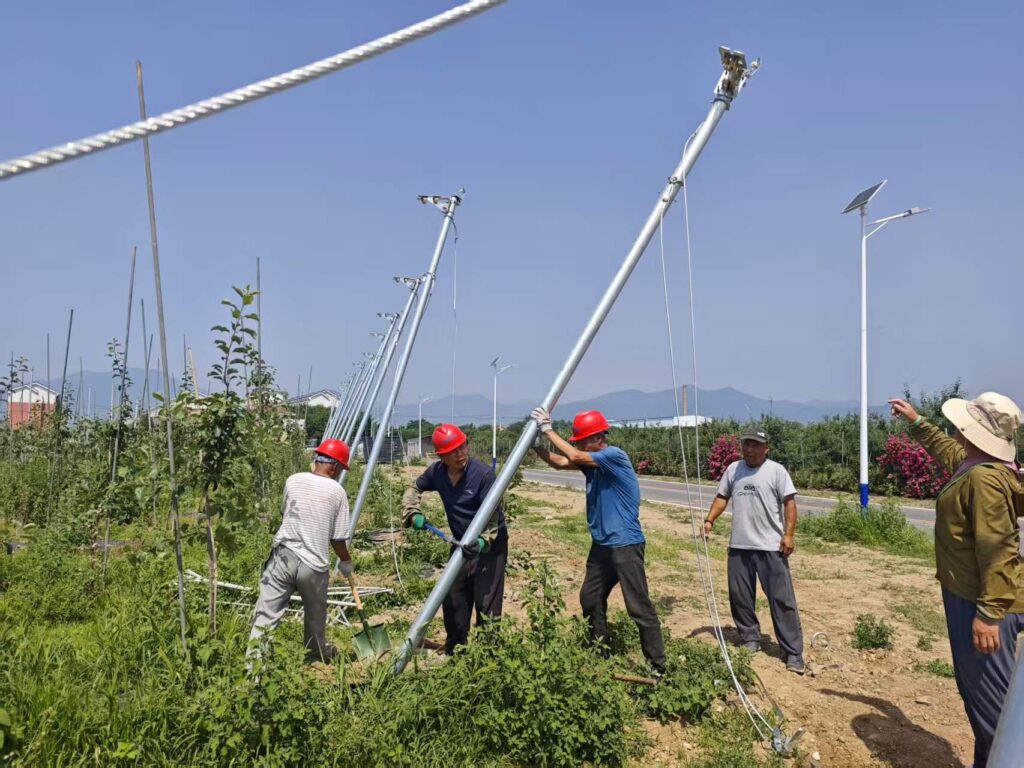
Installing a rain cover system in an orchard is a strategic investment aimed at safeguarding fruit crops from unpredictable weather, such as heavy rain, hail, and strong winds. While the end result is a fully protected orchard, growers often ask: “How long does the installation process take?”
The answer depends on several factors, including orchard size, terrain, weather, and system complexity. This article provides a macro-level overview of the installation timeline, helping growers set realistic expectations and plan their orchard operations effectively.
Factors That Affect Installation Time
Several key factors influence how long a rain cover installation takes. Understanding these elements allows growers to anticipate the duration and coordinate resources accordingly.
Orchard Size
The overall area of the orchard is the most straightforward factor:
- Small orchards (less than 5 hectares): Typically completed within a few days to one week.
- Medium orchards (5–20 hectares): May require one to two weeks.
- Large orchards (20+ hectares): Can extend over multiple weeks or longer depending on complexity.
Terrain and Site Conditions
Flat orchards generally allow for faster installation, as machinery can operate efficiently and structural alignment is simpler.
Hilly or uneven terrain may require:
- Additional structural adjustments
- Longer construction time
- Specialized equipment for stability and access
Weather During Construction
Weather conditions significantly impact installation progress:
- Heavy rain or high winds can delay work.
- Extreme temperatures may require additional safety precautions.
- Scheduling around favorable weather improves efficiency and ensures proper assembly.
System Complexity
The type of rain cover system also affects installation time:
- Fixed covers: Typically faster to install due to simpler design.
- Retractable covers: May take longer because of moving parts and precise alignment requirements.
- Multi-functional systems: Combining rain, hail, and insect protection adds construction time but offers broader benefits.
Typical Installation Timeline
While exact durations vary, most orchard rain cover projects follow a general sequence:
- Site Assessment and Planning (1–3 days):
Engineers evaluate terrain, row spacing, tree height, and climate data to finalize design and logistics. - Material Delivery and Staging (1–2 days):
Support poles, cables, membranes, and nets are transported to the orchard and organized for installation. - Framework Construction (2–7 days depending on size):
Erection of support structures, cables, and cross beams to form the skeleton of the rain cover system. - Protective Cover and Net Installation (2–5 days):
Covers are attached, tensioned, and secured; retractable mechanisms are installed if applicable. - Inspection and Final Adjustments (1–2 days):
Teams perform quality checks, adjust cover tension, and ensure proper operation of all components. - Commissioning and Operational Handover (1 day):
Growers are trained on system operation and maintenance. Orchard protection is now fully operational.
How Good Planning Speeds Up Projects
Proper planning can significantly reduce installation time. Key strategies include:
- Accurate site measurements before delivery of materials.
- Pre-staging materials and tools for efficient access.
- Scheduling construction during favorable weather windows.
- Coordinating labor and machinery effectively.
A well-prepared project can reduce potential delays and ensure that the system is fully operational when needed, minimizing risk to the crop.
Summary
The time required to install a rain cover system varies based on orchard size, terrain, weather, and system complexity. On average:
- Small orchards: 3–7 days
- Medium orchards: 1–2 weeks
- Large orchards: 2+ weeks
With proper planning, coordination, and scheduling, installation projects can be completed efficiently, allowing growers to protect their crops and optimize fruit quality in a timely manner.