
A Complete Guide to Protecting Cherry Orchards from Bird Damage
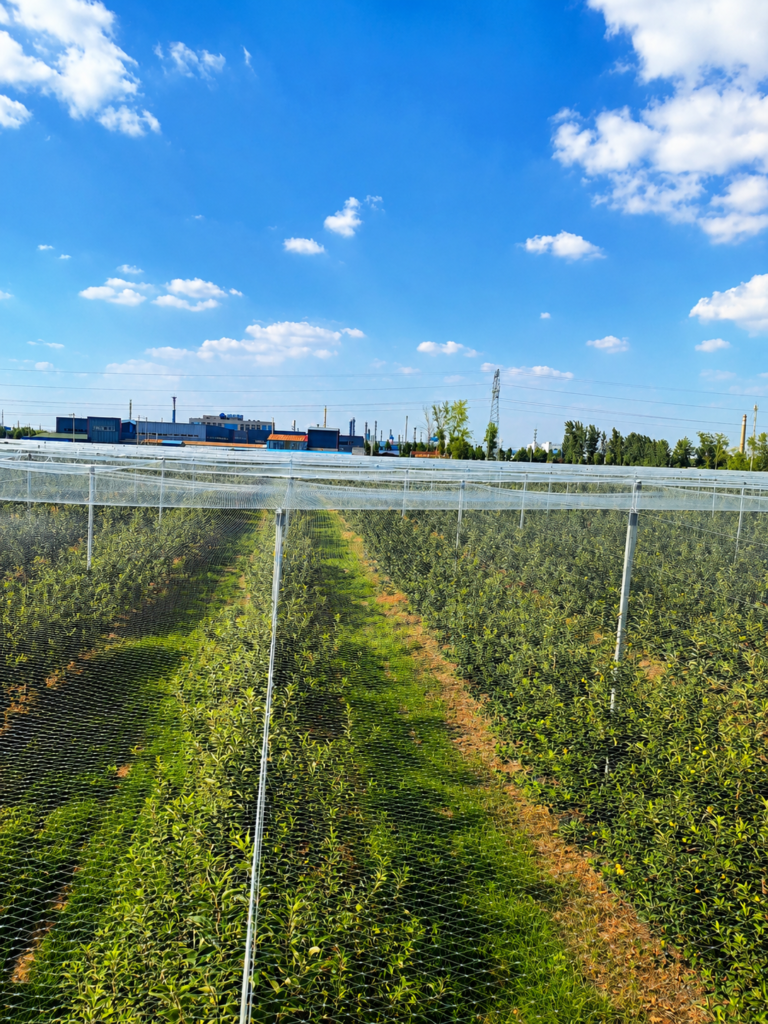
For many cherry growers, bird damage becomes a serious problem just as the fruit reaches peak ripeness.
After months of pruning, fertilizing, irrigating, and protecting the orchard, growers often watch helplessly as birds begin feeding on their most valuable fruit. In some regions, bird damage can reduce marketable yields by 10–30%, while severe infestations may result in even greater losses.
The challenge is particularly significant for sweet cherries because birds are naturally attracted to their bright color, high sugar content, and soft texture.
If birds are eating your cherries, you’re not alone.
The good news is that there are proven methods to reduce damage and protect your harvest.
Why Birds Love Cherries
Birds are highly attracted to ripe cherries for several reasons.
As fruit matures, cherries become:
- Sweeter
- Softer
- More colorful
- Easier to access
To birds, a cherry orchard represents an abundant food source available over a relatively short period.
Unfortunately, this often coincides exactly with harvest season.
Common Birds That Damage Cherry Orchards
Depending on the region, growers frequently report problems with:
Starlings
Large flocks can strip fruit from trees surprisingly quickly.
Blackbirds
Known for pecking ripe fruit and causing cosmetic damage.
Sparrows
Although smaller, they can still cause significant losses when populations are high.
Crows
Often damage multiple fruits while feeding.
Thrushes and Robins
Common cherry orchard visitors in many fruit-growing regions.
How Much Damage Can Birds Cause?
Many growers underestimate the economic impact of bird damage.
Losses occur in several ways:
Direct Fruit Consumption
Birds eat the fruit entirely.
Every cherry consumed is lost revenue.
Peck Damage
Birds frequently peck fruit without completely eating it.
These cherries often become:
- Unsellable
- Vulnerable to disease
- Difficult to store
Disease Introduction
Damaged fruit creates entry points for:
- Fungal pathogens
- Fruit rot
- Secondary infections
This can spread beyond the originally damaged fruit.
Reduced Harvest Efficiency
Workers must spend additional time sorting damaged fruit during harvest.
This increases labor costs and reduces packing efficiency.
Traditional Bird Control Methods
Growers have tried various methods to scare birds away.
While some may provide temporary relief, most have limitations.
Reflective Tape
Shiny tape reflects sunlight and creates movement.
Advantages
- Low cost
- Easy installation
Limitations
- Birds quickly become accustomed to it
- Effectiveness decreases over time
Predator Decoys
Artificial owls, hawks, or other predators are commonly used.
Advantages
- Inexpensive
- Easy to deploy
Limitations
- Birds eventually recognize they are not real
Noise Cannons
Sound-based deterrents attempt to frighten birds.
Advantages
- Effective initially
Limitations
- Birds adapt
- Can disturb workers and nearby communities
Bird Repellents
Some growers use sprays designed to discourage feeding.
Limitations
- Variable effectiveness
- Requires repeated application
Why Scare Tactics Often Fail
The biggest problem with most bird deterrents is adaptation.
Birds are intelligent and quickly learn when a threat is not real.
After repeated exposure, many bird populations simply ignore:
- Noise makers
- Reflective devices
- Static decoys
As harvest approaches and fruit sugar levels increase, the food reward often outweighs the perceived risk.
This is why many commercial growers eventually adopt physical exclusion systems.
Bird Nets: The Most Effective Solution
For large-scale cherry production, bird netting is widely considered the most reliable protection method.
Unlike scare devices, bird nets physically prevent birds from reaching the fruit.
How Bird Nets Work
Bird net systems create a barrier over the orchard canopy.
This prevents birds from accessing:
- Fruit
- Branches
- Harvest zones
Instead of trying to scare birds away, the system simply removes access to the food source.
Benefits of Bird Nets
Consistent Protection
Birds cannot adapt to a physical barrier.
Protection remains effective throughout the season.
Reduced Fruit Loss
Growers often experience significant reductions in bird-related crop damage.
Improved Fruit Quality
Fruit remains:
- Clean
- Unpecked
- Marketable
Better Harvest Outcomes
Workers spend less time sorting damaged fruit.
Pack-out rates improve.
Multi-Functional Orchard Protection Systems
Many modern growers go beyond bird protection alone.
Today’s orchard structures can combine:
- Bird nets
- Rain covers
- Anti-hail nets
- Insect exclusion systems
This creates a comprehensive protection system capable of addressing multiple orchard risks simultaneously.
For high-value cherry production, integrated systems often provide the greatest return on investment.
Is Bird Netting Worth the Cost?
Many growers ask this question.
The answer depends on:
- Bird pressure
- Orchard size
- Fruit value
- Market requirements
However, for premium cherry growers, the calculation is often simple.
Cost of Bird Protection
A long-term infrastructure investment.
Cost of Bird Damage
Recurring annual losses that can significantly affect profitability.
In many cases, preventing only a portion of annual bird damage can justify the investment.
Why More Cherry Growers Are Using Bird Nets
Several industry trends are driving adoption:
- Increasing labor costs
- Rising fruit values
- Greater export opportunities
- Higher quality standards
- Increasing bird populations in some growing regions
As growers focus more on premium fruit production, reliable protection becomes increasingly important.
Conclusion
Bird damage remains one of the most frustrating challenges in cherry production.
From direct fruit consumption to disease introduction and quality loss, birds can significantly reduce orchard profitability.
While traditional scare tactics may provide temporary results, physical bird net systems offer the most consistent and reliable protection.
By preventing access to the fruit, bird nets help growers maintain higher yields, improve fruit quality, and protect the value of their harvest.
For commercial cherry orchards, bird protection is no longer just about reducing losses—it’s about securing long-term production success.
Looking for a Cherry Bird Protection Solution?
We design customized orchard protection systems for cherry growers worldwide.
Our solutions include:
- Bird net systems
- Rain cover structures
- Anti-hail net systems
- Retractable orchard covers
- Multi-functional orchard protection projects
Each system is tailored to local climate conditions, orchard layout, and production goals.
Contact us today to discuss your cherry orchard protection project.