
Understanding the Economic Impact of Birds on Fruit Orchards
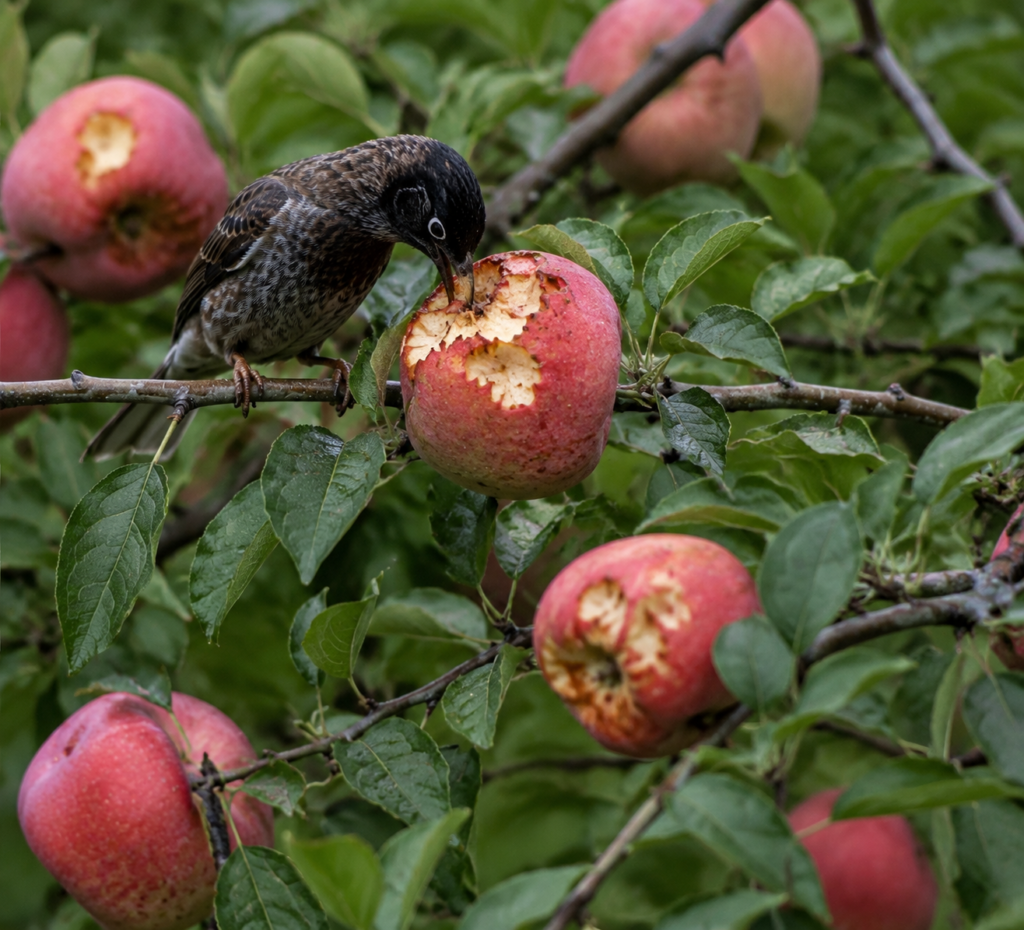
Bird damage is more than just a cosmetic issue—it can have significant financial consequences for fruit growers. Birds consume ripe fruit, peck at partially damaged fruit, and create opportunities for disease. In high-value crops such as cherries, blueberries, grapes, and apples, even a small percentage of lost fruit can translate into thousands of dollars in lost revenue.
This article explores how bird activity affects orchard profitability and why effective protection strategies are critical for growers seeking to maximize yields and fruit quality.
How Birds Impact Orchard Yields
Birds are opportunistic feeders, attracted to orchards when fruit is ripe. Their impact includes:
- Direct consumption: Birds eat whole fruits, reducing overall yield.
- Pecking damage: Partially eaten fruit may be unsellable or require additional sorting.
- Tree disturbance: Bird movement can cause minor branch damage, further increasing crop vulnerability.
The cumulative effect can significantly reduce marketable yield and impact overall profitability.
Estimating Financial Loss from Bird Damage
While the exact losses vary depending on orchard size, crop type, and bird population density, research and grower reports provide estimates:
| Crop | Potential Bird Damage | Economic Loss Example (per hectare) |
|---|---|---|
| Cherries | 10–30% | $8,000–$24,000 |
| Blueberries | 5–15% | $5,000–$15,000 |
| Grapes | 10–25% | $6,000–$15,000 |
| Apples | 5–10% | $2,500–$5,000 |
Even moderate bird pressure can have a significant economic impact, particularly in premium fruit markets where appearance and quality dictate price.
Factors Affecting Bird Damage
Several factors influence how much fruit may be lost to birds:
1. Orchard Location
Orchards near water bodies, forests, or migration routes often experience higher bird activity.
2. Fruit Type and Ripeness
- Brightly colored, soft fruits are more attractive.
- Larger fruits provide more caloric reward, increasing bird visitation.
3. Season and Timing
Bird damage peaks during harvest and fruit ripening periods.
4. Existing Deterrents
The absence or inadequacy of bird protection measures often leads to higher losses.
Traditional Bird Deterrents: Limitations
Growers often use scare devices like reflective tape, predator decoys, and noise cannons. While these can provide temporary relief, birds quickly adapt, making these methods less effective over time.
Additionally:
- Coverage may be incomplete
- Labor is required to reposition devices
- Damage is not fully prevented
Bird Nets: A Reliable Solution
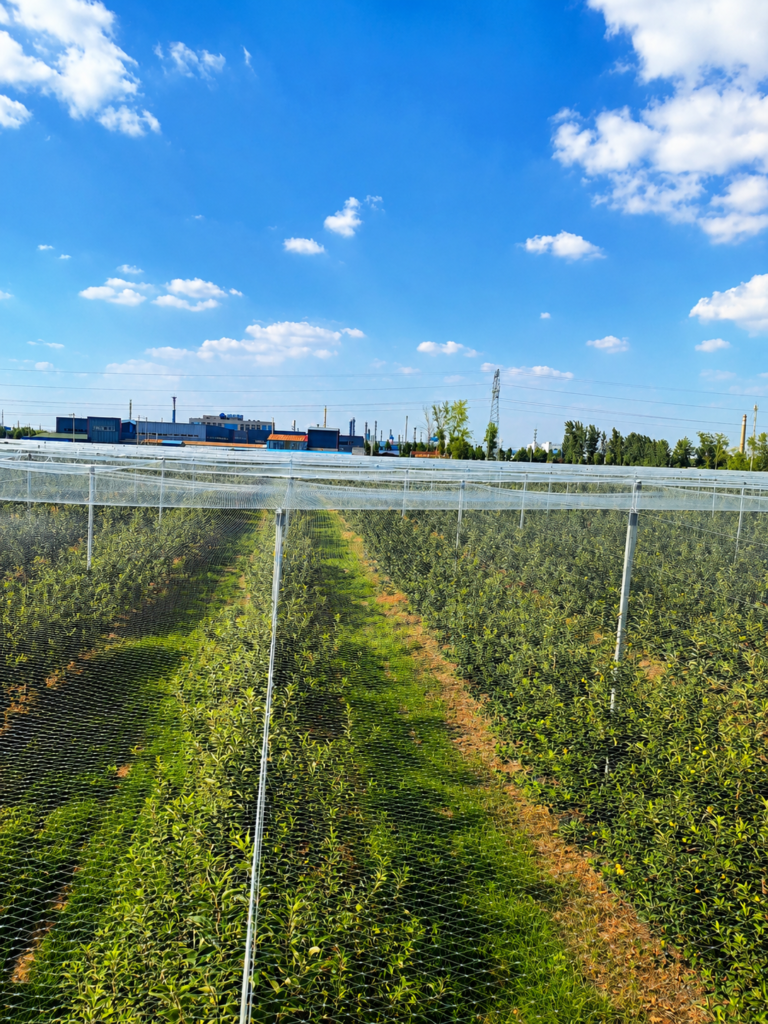
Physical exclusion is the most effective way to reduce bird damage.
Advantages:
- Complete coverage prevents fruit consumption and pecking
- Consistent protection throughout harvest season
- Reduces labor needed for sorting damaged fruit
- Protects premium fruit quality and market value
ROI Example
A 5-hectare cherry orchard:
- Potential bird loss without nets: 20% of yield = ~$80,000
- Bird net installation cost: ~$30,000
- Return: Avoided losses more than cover investment in a single season
This illustrates how bird nets often pay for themselves quickly, especially in high-value orchards.
Integrated Protection Strategies
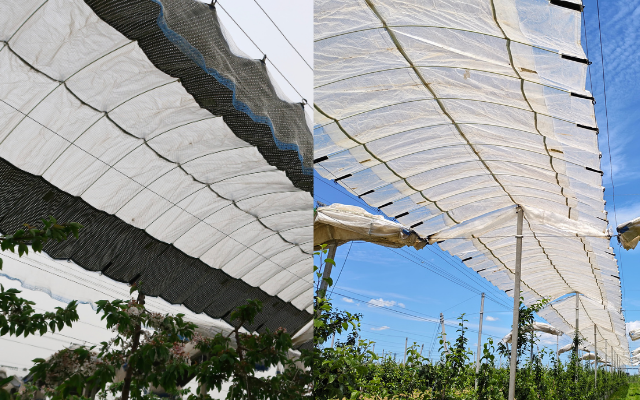
Many modern growers combine bird nets with:
- Rain covers
- Anti-hail nets
- Insect exclusion systems
This integrated approach ensures multiple risks are managed simultaneously, improving yield stability and long-term profitability.
Conclusion
Bird damage represents a significant economic threat to fruit growers. Traditional scare tactics may reduce minor losses, but physical protection through bird nets is the most effective solution for safeguarding high-value crops. By investing in reliable orchard protection systems, growers can:
- Reduce crop losses
- Maintain fruit quality
- Increase marketable yield
- Protect profitability
For commercial orchards, proactive bird protection is a critical component of modern orchard management.
Pingback: Bird Nets vs Scare Devices | Effective Orchard Bird Protection Strategies