
The Hidden Risk That Can Turn a Profitable Season Into a Financial Loss
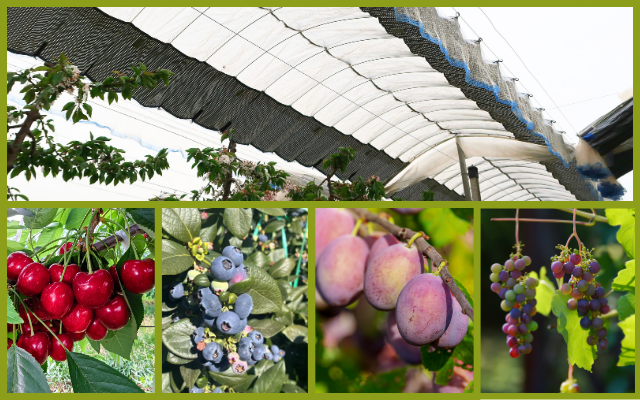
Fruit growers spend an entire season managing irrigation, nutrition, pruning, pest control, and harvest planning. Yet despite all these efforts, one weather event can undo months of hard work.
For many high-value fruit crops, that threat is not drought, insects, or even frost.
It’s rain.
Rainfall is essential for agriculture, but when it arrives at the wrong time—especially near harvest—it becomes one of the biggest threats to fruit quality, marketability, and profitability.
For growers producing premium fruit destined for fresh markets or export channels, understanding the impact of rainfall is critical.
In this article, we’ll explore why rain poses such a significant challenge and how modern orchard protection systems help growers reduce risk and protect their investment.
Why Premium Fruit Is More Vulnerable
Not all fruit production faces the same challenges.
Premium fruit growers operate under much stricter quality requirements.
Fresh-market buyers, supermarkets, and export customers expect fruit that is:
- Uniform in size
- Attractive in appearance
- Firm and undamaged
- Free from disease
- Capable of long-distance transportation
Even minor defects can lead to:
- Price reductions
- Grade downgrades
- Rejected shipments
As a result, weather-related damage has a much greater financial impact on premium fruit production than on processing crops.
How Rain Damages Fruit Crops
Rain affects fruit production in several different ways.
While the exact impact varies by crop, the consequences are often similar.
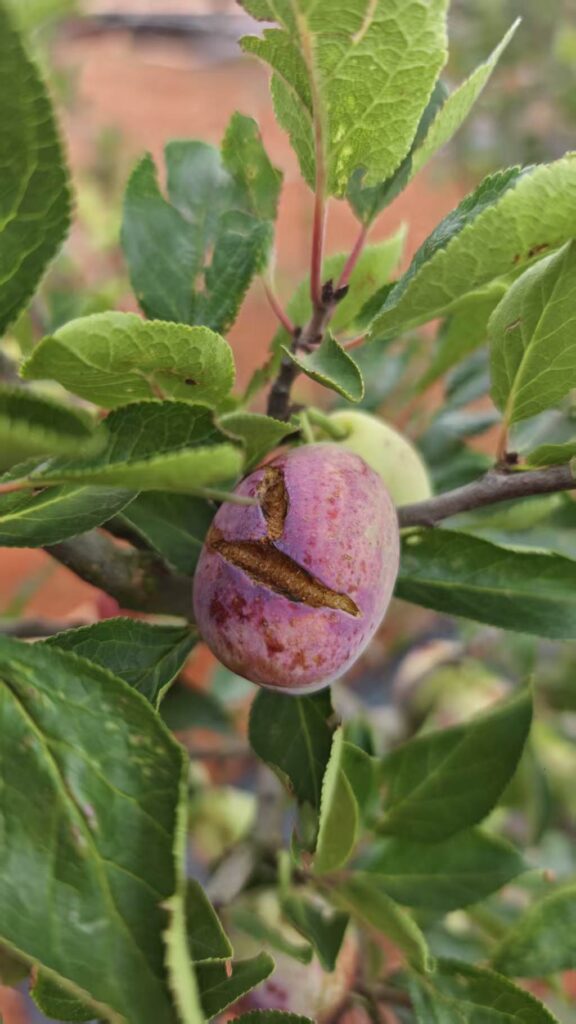
Fruit Cracking
One of the most common forms of rain damage is fruit cracking.
When rainfall occurs during the final stages of fruit development, fruit may absorb water too quickly.
This can cause:
- Skin splitting
- Surface cracking
- Internal damage
Crops commonly affected include:
- Cherries
- Blueberries
- Grapes
- Plums
For fresh-market fruit, cracking often makes the fruit unsellable.
Reduced Fruit Quality
Even when fruit does not crack, excessive rainfall can reduce quality.
Common problems include:
- Softer fruit
- Reduced firmness
- Poor coloration
- Lower shelf life
These quality issues directly affect market value.
For exporters, reduced shelf life can be especially costly.
Increased Disease Pressure
Rain creates favorable conditions for fungal diseases.
Wet fruit and high humidity often increase the risk of:
- Fruit rot
- Mold development
- Leaf diseases
- Post-harvest losses
Disease outbreaks frequently result in additional management costs and lower marketable yields.
Harvest Disruptions
Rain can interfere with harvest operations in several ways.
Growers may experience:
- Delayed picking schedules
- Reduced labor efficiency
- Limited machinery access
- Increased fruit handling challenges
The longer fruit remains exposed in the orchard, the greater the risk of quality decline.
Which Fruits Are Most Affected by Rain?
While almost every fruit crop can be impacted by excessive rainfall, some crops are particularly vulnerable.
Cherries
Cherries are among the most rain-sensitive fruit crops in the world.
Rain near harvest often leads to:
- Severe cracking
- Fruit softening
- Major economic losses
In some cases, a single storm can destroy a large percentage of a crop.
Blueberries
Excessive rainfall can cause:
- Fruit splitting
- Reduced firmness
- Disease pressure
These issues are especially problematic for growers supplying premium fresh markets.
Grapes
Rain during ripening can increase:
- Berry splitting
- Fungal infections
- Quality variability
Wine grape producers and table grape growers both face significant risks.
Apples
Although apples are generally less susceptible to cracking than cherries, rainfall can contribute to:
- Disease development
- Reduced color quality
- Storage challenges
For premium apple producers, these issues can affect profitability.
Why Climate Change Is Making the Problem Worse
Many growers report that weather patterns have become increasingly unpredictable.
In recent years, orchards have experienced:
- More intense rain events
- Longer wet periods
- Unpredictable harvest-season storms
- Increased humidity
These conditions make weather-related crop protection more important than ever.
Traditional orchard management practices alone may no longer be sufficient to protect fruit quality.
The Cost of Rain Damage
The financial impact of rainfall extends beyond visible fruit damage.
Growers may face losses through:
Reduced Marketable Yield
Less fruit qualifies for premium sales channels.
Lower Selling Prices
Damaged fruit often receives lower prices.
Additional Labor Costs
More sorting and grading are required.
Increased Disease Management Expenses
Wet seasons often require additional crop protection measures.
Lost Export Opportunities
Premium export markets demand consistent quality standards.
Fruit affected by rain may fail to meet these requirements.
How Orchard Protection Systems Reduce Rain Risk
Modern orchard protection systems provide growers with a proactive solution.
Rather than reacting to weather damage after it occurs, growers can reduce exposure before problems develop.
Rain Cover Systems
Rain covers prevent direct rainfall from reaching fruit.
Benefits include:
- Reduced cracking
- Improved fruit quality
- Better harvest reliability
- Increased marketable yield
Retractable Cover Systems
Retractable systems offer additional flexibility.
Growers can:
- Close covers before rain events
- Open covers during favorable weather
This helps maintain a healthier orchard environment while providing protection when needed.
Multi-Functional Protection Systems
Many growers choose systems that combine:
- Rain protection
- Hail protection
- Bird exclusion
- Insect control
These integrated solutions help reduce multiple risks with a single infrastructure investment.
Why More Growers Are Investing in Protection
Across major fruit-producing regions, orchard protection systems are becoming increasingly common.
The reasons are simple:
- Weather risks are increasing
- Fruit quality standards are rising
- Export markets are becoming more competitive
Protection systems help growers maintain control over factors that would otherwise be determined entirely by the weather.
Protecting Fruit Quality Means Protecting Profitability
For premium fruit growers, quality is everything.
A season’s success is not measured solely by how much fruit is produced, but by how much fruit reaches the market in premium condition.
Rain remains one of the largest threats to achieving that goal.
By reducing weather-related damage and supporting more consistent production, orchard protection systems help growers protect both fruit quality and long-term profitability.
Conclusion
Rain may be a natural part of agriculture, but for premium fruit production, it is often one of the greatest sources of risk.
From fruit cracking and disease outbreaks to harvest disruptions and quality losses, excessive rainfall can significantly affect orchard performance.
As climate conditions become increasingly unpredictable, more growers are investing in rain cover systems and multi-functional orchard protection structures to reduce risk and maintain high-quality production.
For growers seeking stable yields, stronger market competitiveness, and better long-term returns, protecting fruit from rain is no longer optional—it’s becoming an essential part of modern orchard management.
Looking for a Complete Orchard Protection Solution?
We specialize in customized orchard protection systems designed for modern fruit production.
Our solutions include:
- Rain cover systems
- Retractable orchard covers
- Anti-hail net systems
- Bird and insect protection
- Multi-functional orchard structures
Whether you grow cherries, blueberries, grapes, apples, or other high-value fruit crops, our team can help design a solution tailored to your climate, orchard layout, and production goals.
Contact us today to discuss your orchard protection project.