
Ensuring High-Quality Fruit and Minimizing Crop Loss
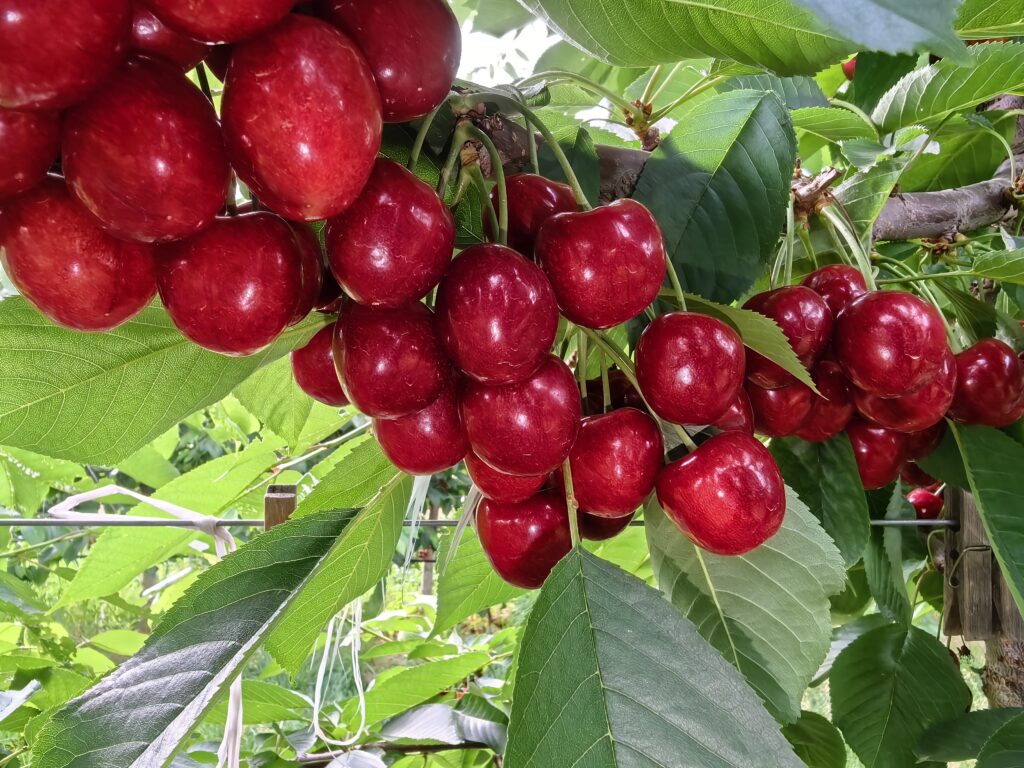
Rain during the cherry harvest period can be disastrous for growers. Even brief exposure to rainfall can cause cracking, bruising, or disease susceptibility in cherries, dramatically reducing fruit quality and marketability. Understanding the risks and implementing preventive strategies is essential to safeguarding the harvest and securing consistent income.
This article focuses on the key strategies growers can use to protect cherries during harvest and highlights the role of orchard protection systems.
Why Rain During Harvest Is a Major Concern
Cherries are particularly vulnerable in the final ripening stages. During harvest:
- The skin is thin and elastic, making it prone to cracking.
- Fruit is heavier, increasing the risk of mechanical damage.
- Prolonged exposure to moisture can accelerate fungal growth and decay.
Rainfall during this stage not only affects the current harvest but can also reduce the orchard’s long-term productivity.
Main Risks Associated With Rain During Harvest
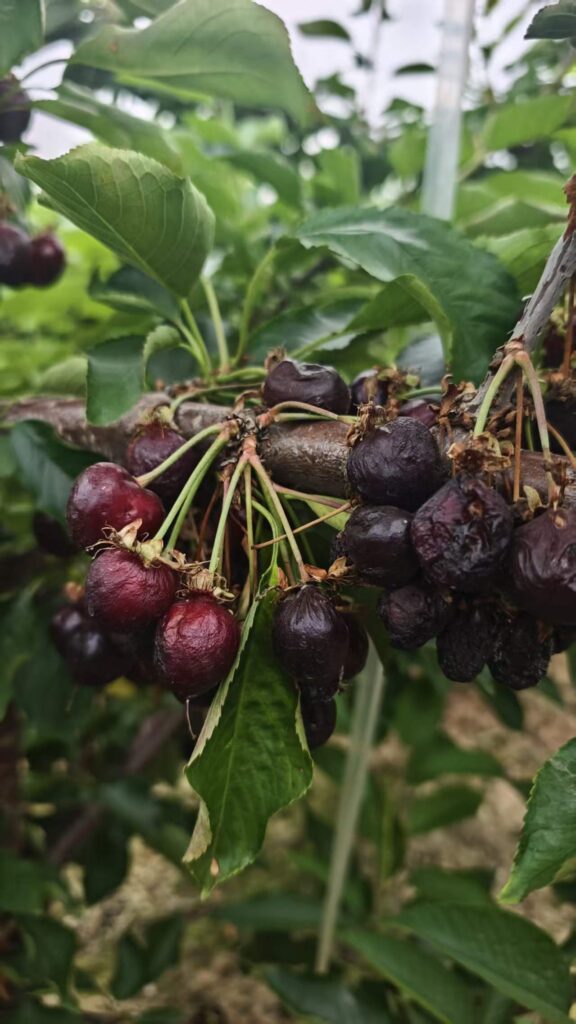
1. Fruit Cracking
- Direct contact with rain causes water to enter the fruit through the skin.
- Rapid swelling leads to splitting and cracking.
- Cracked fruit is unsuitable for premium markets or export.
2. Disease Development
- Wet conditions increase the risk of fungal infections like brown rot.
- High humidity slows drying, prolonging exposure to pathogens.
3. Harvest and Labor Challenges
- Rain delays picking schedules.
- Wet fruit is harder to handle and more prone to bruising.
- Labor efficiency decreases during rainy periods.
Strategies to Protect Cherries During Harvest
Growers can adopt several strategies to reduce the negative effects of rain:
1. Use of Rain Cover Systems
Installing protective rain covers over the orchard can:
- Prevent direct rain contact
- Reduce cracking incidents
- Maintain fruit firmness and appearance
Modern retractable covers allow growers to open or close the canopy based on weather forecasts, offering flexibility during harvest periods.
2. Monitoring Weather Forecasts
- Planning harvests around predicted rainfall reduces exposure.
- Temporary measures, such as mobile covers or tarps, can provide short-term protection during unexpected showers.
3. Orchard Layout and Ventilation
- Ensuring proper tree spacing and airflow helps dry residual moisture quickly.
- Lower humidity reduces fungal infection risk.
4. Harvest Timing and Techniques
- Harvesting early in the morning may avoid dew or light rain.
- Gentle handling and careful sorting reduce bruising of wet fruit.
The Role of Rain Cover Systems in Harvest Protection
Rain covers are increasingly recognized as an essential tool for growers seeking premium fruit quality:
- Physical barrier: Protects cherries from rain and prevents cracking.
- Environmental control: Reduces humidity, limits disease development, and improves airflow.
- Operational flexibility: Retractable systems allow covers to be deployed only when necessary, optimizing light and ventilation.
- Economic impact: Minimizes crop loss, reduces sorting labor, and maintains high market value.
For commercial cherry operations, rain cover systems are not just protective structures—they are investments in consistent quality and profitability.
Conclusion
Rain during cherry harvest can have severe consequences for both fruit quality and orchard profitability. Understanding the risks and adopting preventive measures is essential to minimize losses. Strategies such as rain cover systems, weather monitoring, proper orchard management, and careful harvest practices can collectively safeguard the harvest.
By implementing these measures, growers can maintain high-quality fruit, reduce cracking and disease incidence, and secure consistent revenue from their orchards, even in unpredictable weather conditions.