
Why Rain Protection Is Becoming Essential for Modern Blueberry Production
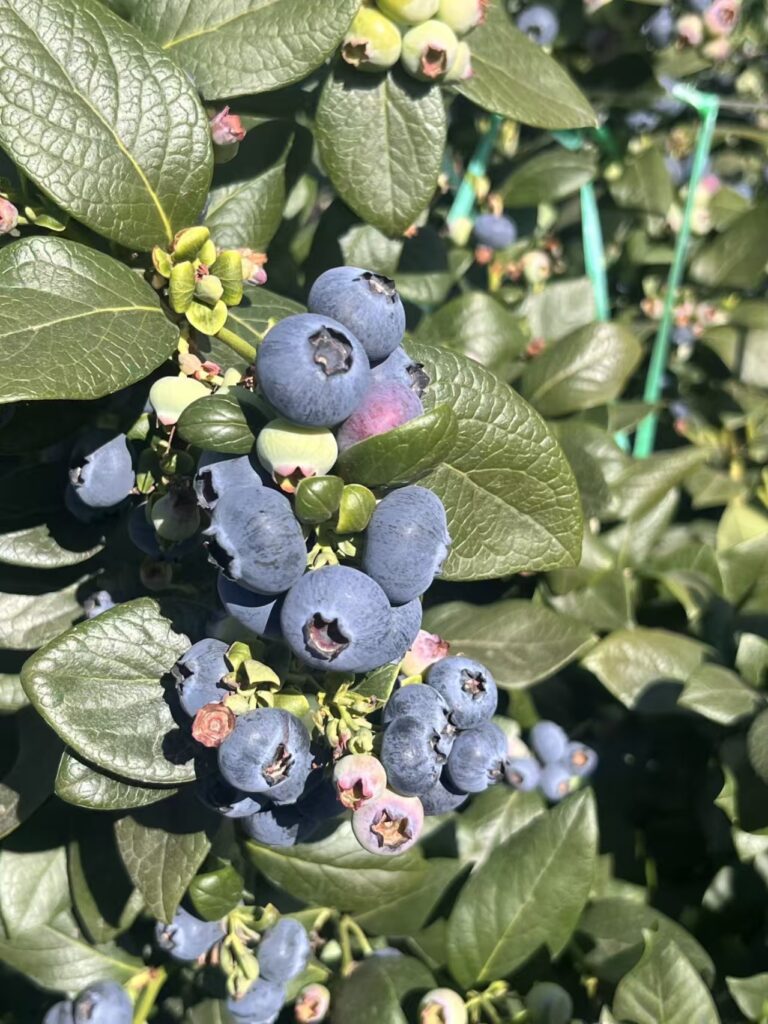
Blueberries are one of the fastest-growing fruit crops in the world, driven by strong consumer demand and expanding export markets. However, as production increases, growers face a growing challenge that can significantly impact both yield and fruit quality: excessive rainfall.
While blueberries generally require consistent moisture during the growing season, too much rain—especially during flowering, fruit development, and harvest—can create serious problems. Fruit splitting, disease outbreaks, harvest delays, and quality losses can quickly reduce profitability.
As weather patterns become increasingly unpredictable, many commercial blueberry growers are turning to rain protection systems to reduce risk and maintain premium fruit quality.
In this article, we’ll explore how excessive rainfall affects blueberry production and the strategies growers can use to protect their orchards.
Why Excessive Rainfall Is a Problem for Blueberries
Many growers assume that because blueberries thrive in moist conditions, rainfall is always beneficial.
In reality, excessive rainfall can create several challenges throughout the growing season.
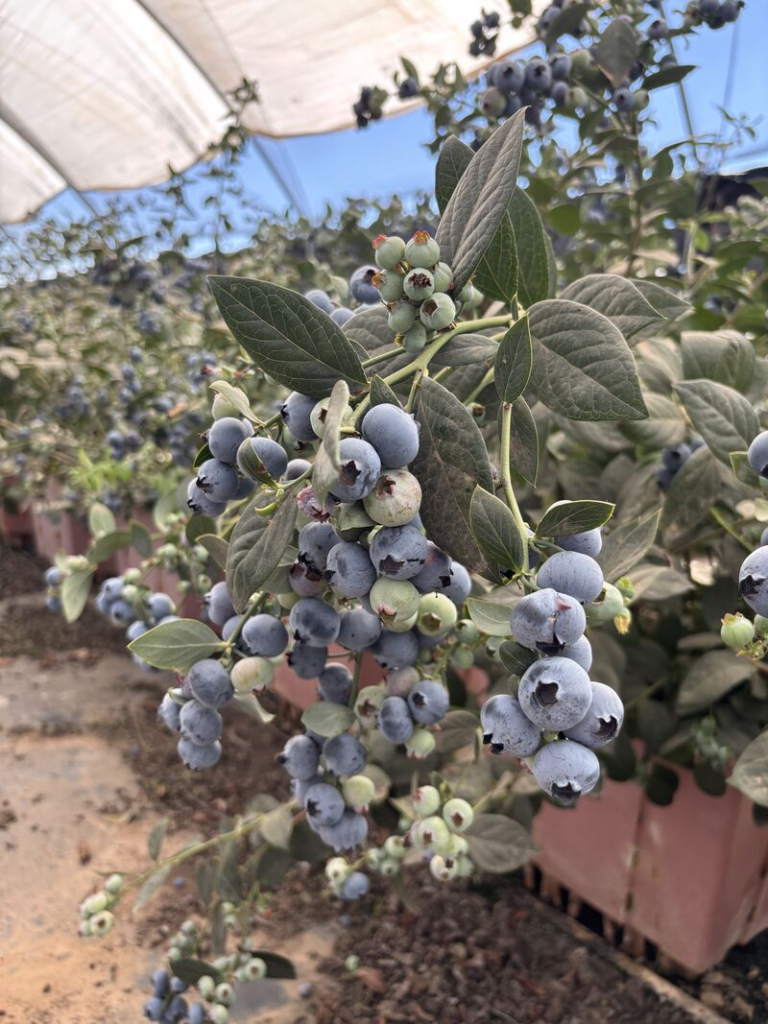
These challenges often affect:
- Fruit quality
- Harvest efficiency
- Disease pressure
- Marketable yield
- Post-harvest shelf life
The closer rainfall occurs to harvest, the greater the potential economic impact.
Common Problems Caused by Excessive Rainfall
Fruit Splitting and Softening
One of the most visible effects of excessive rainfall is fruit splitting.
When berries absorb water faster than the skin can accommodate, the fruit may:
- Split
- Become soft
- Lose firmness
- Become more susceptible to disease
Soft fruit is particularly problematic for fresh-market and export growers, where firmness directly affects market value.
Increased Disease Pressure
Wet conditions create an ideal environment for fungal diseases.
Excess moisture can contribute to:
- Fruit rot
- Mold development
- Leaf diseases
- Reduced shelf life
Extended periods of high humidity can increase disease pressure even when rainfall itself is limited.
For many growers, disease management costs rise significantly during wet seasons.
Harvest Delays
Heavy rainfall often disrupts harvest operations.
Growers may experience:
- Reduced field access
- Labor scheduling challenges
- Delayed picking
- Lower harvesting efficiency
Unfortunately, delaying harvest can sometimes lead to overripe fruit and reduced quality.
Reduced Fruit Quality
Premium blueberry markets demand fruit that is:
- Firm
- Uniform
- Clean
- Long-lasting
Rain-affected fruit often experiences:
- Reduced firmness
- Surface blemishes
- Shorter storage life
Even when yields remain high, lower-quality fruit can significantly reduce overall returns.
How Rain Protection Systems Help Blueberry Growers
Modern rain protection systems are designed to create a more stable growing environment while reducing direct exposure to rainfall.
Rather than reacting to weather damage after it occurs, growers can proactively reduce risk before problems develop.
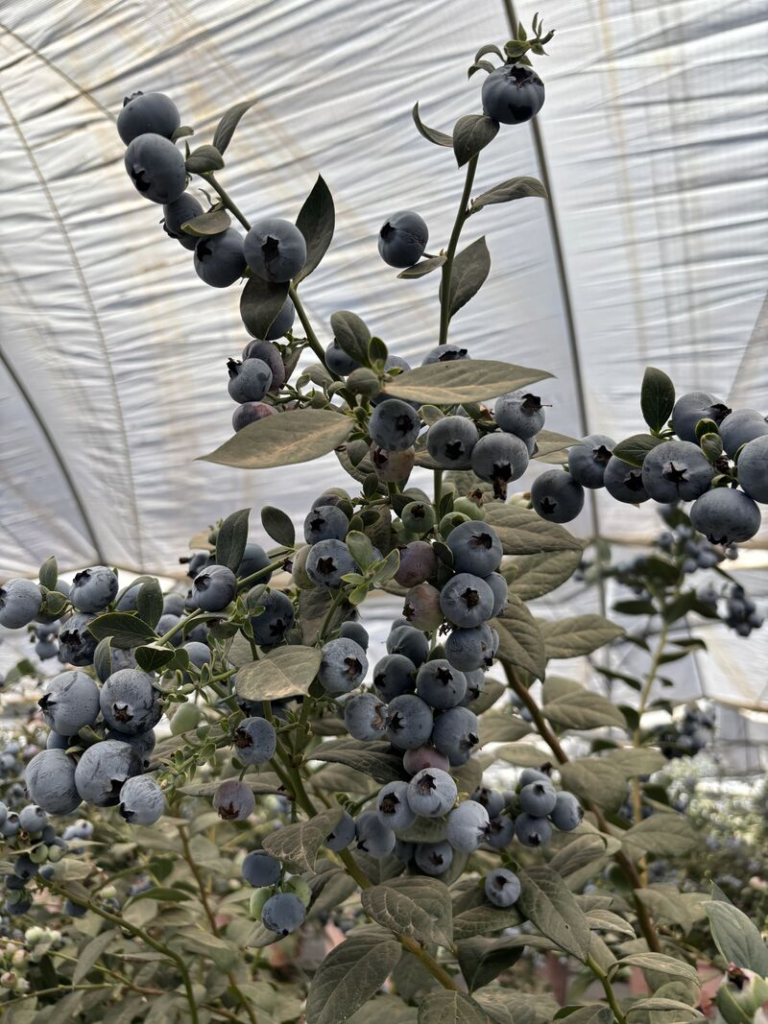
Preventing Direct Rain Contact
The primary function of a rain cover system is simple:
Keep rainfall away from the fruit.
By preventing direct water contact, growers can significantly reduce:
- Fruit splitting
- Excessive moisture absorption
- Surface damage
This is particularly valuable during the final stages of fruit development.
Improving Harvest Reliability
Rain protection systems help growers maintain more predictable harvest schedules.
Benefits include:
- Fewer weather-related interruptions
- Improved labor planning
- More efficient picking operations
Reliable harvesting often translates directly into higher-quality fruit reaching the market.
Reducing Disease Risk
By limiting fruit wetness and controlling moisture levels, rain covers can help create conditions that are less favorable for disease development.
Benefits may include:
- Reduced fungal pressure
- Healthier fruit
- Better post-harvest performance
Combined with good orchard management practices, protection systems can contribute to healthier crops throughout the season.
Supporting Premium Fruit Production
Many growers invest in rain protection not only to prevent losses but also to consistently produce premium fruit.
Protected blueberries often demonstrate:
- Better firmness
- Improved appearance
- Greater uniformity
- Longer shelf life
These factors can help growers access higher-value markets and strengthen long-term profitability.
Fixed Covers vs Retractable Covers for Blueberries
Different protection systems offer different advantages.
Fixed Rain Covers
Fixed systems provide continuous protection throughout the growing season.
Advantages include:
- Simpler operation
- Reliable coverage
- Consistent protection
These systems are often suitable for regions with frequent rainfall.
Retractable Rain Covers
Retractable systems offer greater flexibility.
Growers can:
- Close covers during rain events
- Open covers during favorable weather
This approach allows for:
- Better airflow
- Improved environmental control
- Greater adaptability to changing weather conditions
Many commercial blueberry growers prefer retractable systems because they balance protection with orchard ventilation.
Long-Term Benefits of Rain Protection
While rain protection systems require an initial investment, many growers view them as a long-term strategy for improving orchard performance.
Potential benefits include:
More Marketable Fruit
Reducing weather-related damage increases the percentage of fruit suitable for sale.
Greater Yield Stability
Protected orchards often experience fewer seasonal fluctuations caused by weather.
Improved Fruit Quality
Consistently high-quality fruit supports stronger customer relationships and premium pricing.
Reduced Production Risk
Protection systems help growers operate with greater confidence despite increasingly unpredictable weather patterns.
Is Rain Protection Worth the Investment?
For many commercial blueberry growers, the answer depends on:
- Local climate conditions
- Market targets
- Production scale
- Historical weather risks
However, as weather variability continues to increase, orchard protection is becoming less of a luxury and more of a necessity.
The cost of one severe rainy season can often exceed the investment required to implement an effective protection system.
Conclusion
Excessive rainfall can have a major impact on blueberry production, affecting fruit quality, harvest efficiency, disease management, and overall profitability.
While no grower can control the weather, modern rain protection systems provide a practical way to reduce risk and improve production consistency.
By preventing direct rain exposure, reducing disease pressure, and supporting premium fruit quality, rain cover systems have become an important tool for blueberry growers seeking long-term success in an increasingly unpredictable climate.
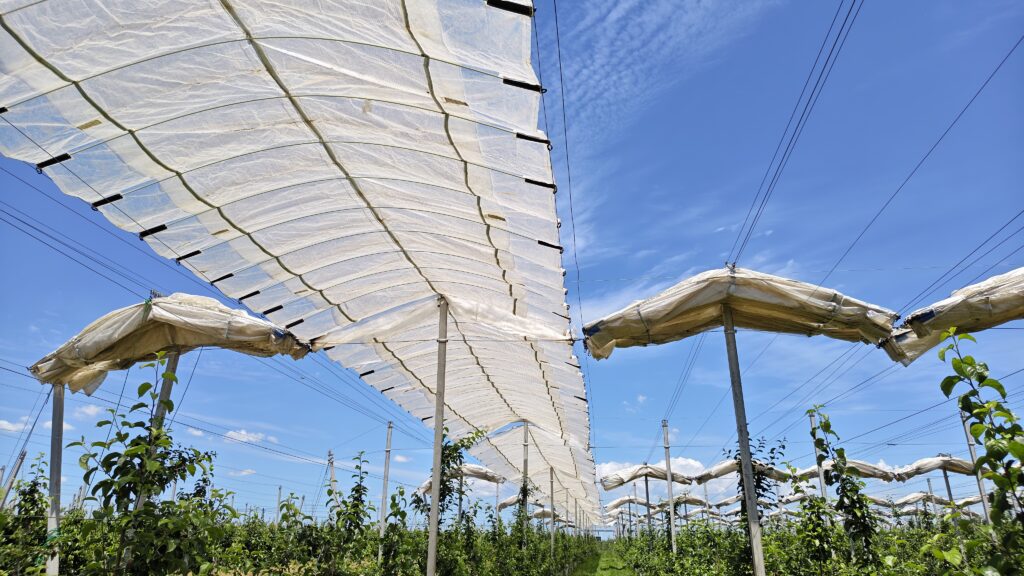
Looking for a Customized Blueberry Rain Protection Solution?
We design and install customized orchard protection systems for blueberry growers around the world.
Our solutions include:
- Blueberry rain cover systems
- Retractable orchard covers
- Anti-hail net systems
- Multi-functional orchard protection structures
- Climate-adapted agricultural engineering
Whether you’re establishing a new blueberry plantation or upgrading an existing orchard, our team can help create a solution tailored to your growing conditions and production goals.
Contact us today for a customized consultation and project proposal.