
Transforming Fruit Production with Rain Cover Systems
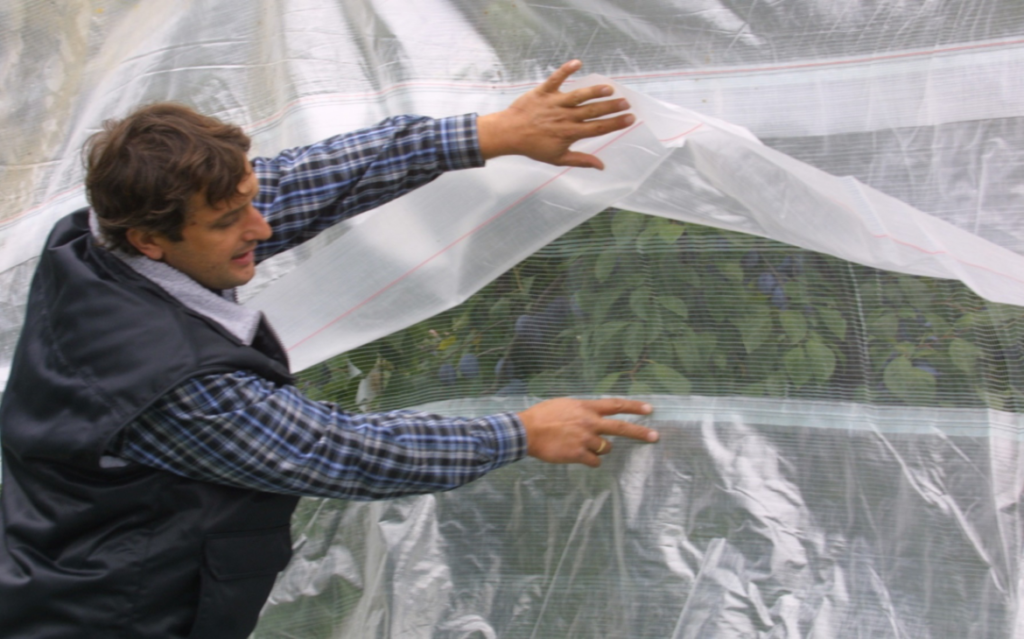
Converting an open orchard into a fully protected environment is a transformative step for modern fruit growers. Rain cover systems not only shield fruit from weather-related damage but also improve fruit quality, yield stability, and long-term profitability. This article provides an overview of what growers can expect when implementing a rain cover project, highlighting the stages from initial planning to the benefits after installation.
The Challenges Growers Face
Before installing a rain cover system, orchard operators face several challenges that can affect both yield and fruit quality:
- Rain Cracking: Sudden rainfall can split fruit skins, reducing marketable yield.
- Hail Damage: Hailstorms can bruise or destroy fruit in minutes.
- Bird and Insect Pressure: Birds and pests can damage fruit, especially when no physical barriers exist.
- High Humidity and Disease: Excessive moisture increases fungal infections and reduces shelf life.
- Market Demands: Premium markets require consistently high-quality fruit, which open orchards cannot always guarantee.
These challenges make weather and pest protection an essential investment for serious growers.
Choosing the Right Protection System
Each orchard has unique needs based on fruit type, local climate, orchard layout, and production goals. Selecting the appropriate protection system is critical:
- Rain Covers: Prevent rain-induced cracking and maintain fruit firmness.
- Retractable Systems: Provide flexibility to open or close covers according to weather.
- Anti-Hail Nets: Protect fruit from hailstorms.
- Bird and Insect Nets: Reduce losses caused by pests.
- Multi-Functional Systems: Combine several protections in a single installation.
A tailored solution ensures maximum protection, optimal fruit quality, and long-term operational efficiency.
Installation and Construction
Although installation processes vary depending on orchard size and terrain, most projects follow a macro-level sequence:
- Site Assessment and Planning: Evaluate terrain, tree height, row spacing, and weather risks.
- System Design: Engineers create a customized layout based on orchard requirements and grower goals.
- Preparation: Materials are staged, and access routes for machinery and labor are organized.
- Framework Construction: Poles, cables, and cross beams form the backbone of the system.
- Cover and Net Installation: Rain covers, anti-hail nets, or retractable components are mounted and tensioned.
- Inspection and Adjustment: Teams ensure the system operates smoothly and meets design specifications.
The goal is to complete installation efficiently while minimizing disruption to orchard operations.
The Finished Orchard
Once the project is complete, the orchard is transformed:
- Protected Environment: Fruit is shielded from rain, hail, pests, and excessive sun.
- Improved Microclimate: Better ventilation and moisture control reduce disease risk.
- Consistent Yield: Reduced weather-related losses allow growers to plan harvests with greater confidence.
- Premium Fruit Quality: Skin integrity, color, and firmness are maintained for export or high-end domestic markets.
The visual transformation—from an open field to a covered orchard—represents not just infrastructure, but a substantial investment in crop protection and quality improvement.
Benefits After Installation
Investing in an orchard protection system provides multiple long-term advantages:
- Higher Marketable Yield: Less fruit is lost to rain, hail, and pests.
- Improved Fruit Quality: Premium appearance, uniformity, and firmness support market competitiveness.
- Reduced Risk: Weather events no longer have a disproportionate impact on production.
- Operational Efficiency: Easier harvest and management under controlled conditions.
- Economic Return: Increased revenue from premium fruit can recover the investment in a few seasons.
Conclusion
Transforming an open orchard into a protected orchard requires planning, expertise, and careful execution. From understanding grower challenges to selecting the right system and completing installation, each stage contributes to a healthier, higher-quality, and more profitable orchard.
For growers seeking to safeguard fruit quality, reduce losses, and improve operational efficiency, rain cover systems are more than a protective structure—they are an essential investment in the future of the orchard.