
Understanding the Orchard Rain Cover Construction Process
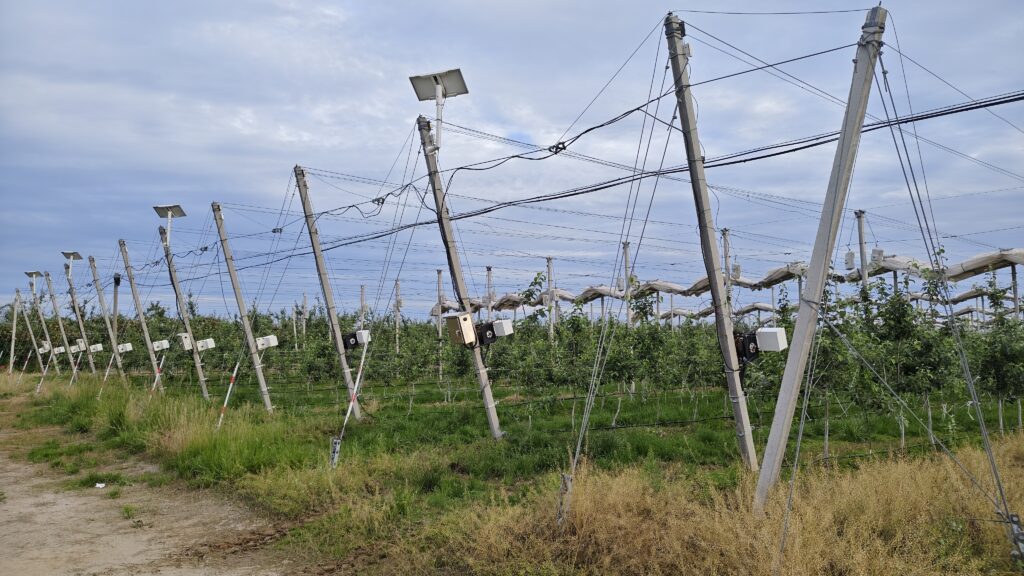
Orchard rain cover systems are essential tools for protecting fruit crops from unpredictable weather, including rainfall, hail, and wind. While the finished structure demonstrates professional engineering and improved fruit quality, it’s important to understand the general process behind these installations. This helps growers appreciate the planning, coordination, and operational steps involved in transforming an open orchard into a protected, high-performance environment.
Unlike step-by-step technical manuals, this article provides a macro-level view of what typically happens during orchard rain cover installations, emphasizing key phases and considerations without going into exact material specifications.
Preparing the Site
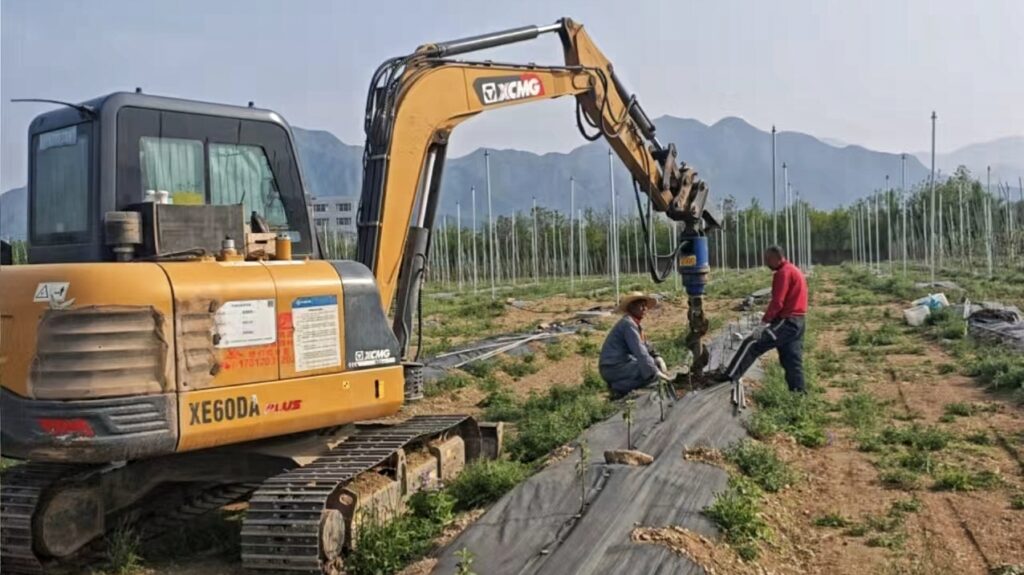
Every successful installation starts with thorough site preparation. Before any structure is erected, project teams evaluate the orchard to ensure the system fits seamlessly within the existing layout.
Key activities include:
- Site assessment: Checking terrain, soil conditions, and orchard dimensions.
- Marking installation zones: Determining the locations of support posts, row alignments, and access paths.
- Clearing obstacles: Removing debris or obstacles that could interfere with construction equipment or the final structure.
- Logistics planning: Organizing material staging areas, machinery access, and workflow sequences.
Proper site preparation sets the stage for a smoother installation and reduces potential delays during construction.
Building the Structural Framework
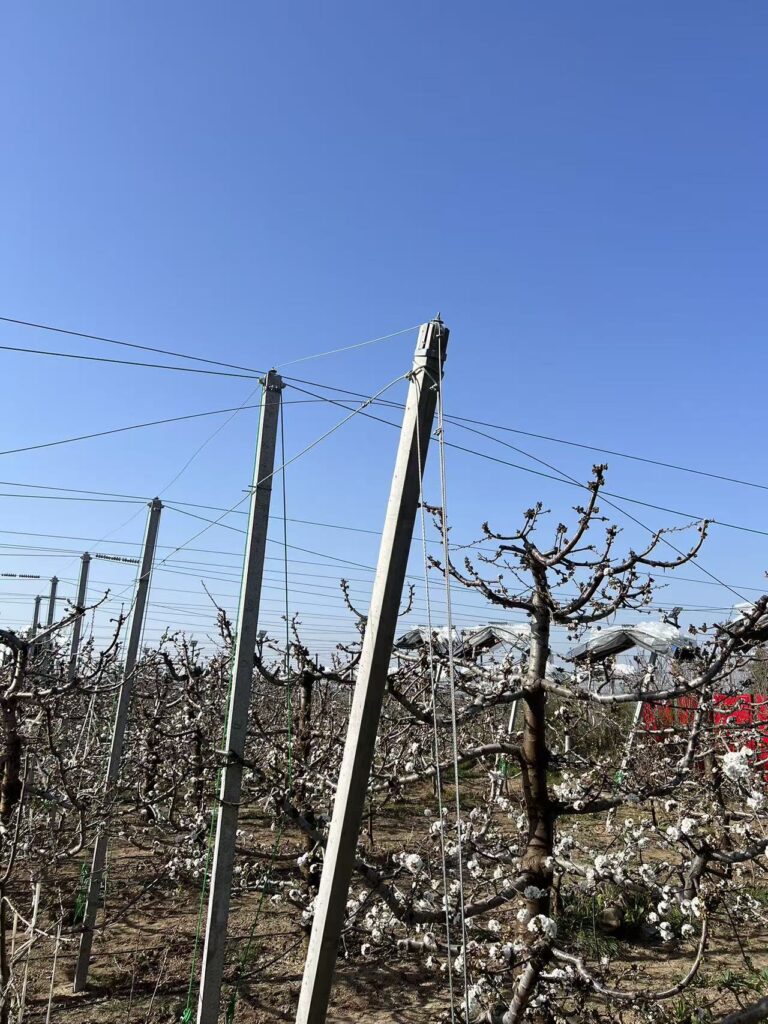
Once the site is ready, the structural framework is constructed. This framework forms the backbone of the rain cover system.
Typical elements of the framework include:
- Support poles or columns that anchor the system securely.
- Horizontal and tensioned cables that provide stability and support for the cover.
- Cross beams or trusses that maintain alignment across orchard rows.
The framework is carefully aligned to accommodate the orchard layout, tree height, and intended protection type. Properly designed structural frameworks ensure durability against wind, snow, or hail while allowing adequate spacing for fruit growth and maintenance.
Installing Protection Components
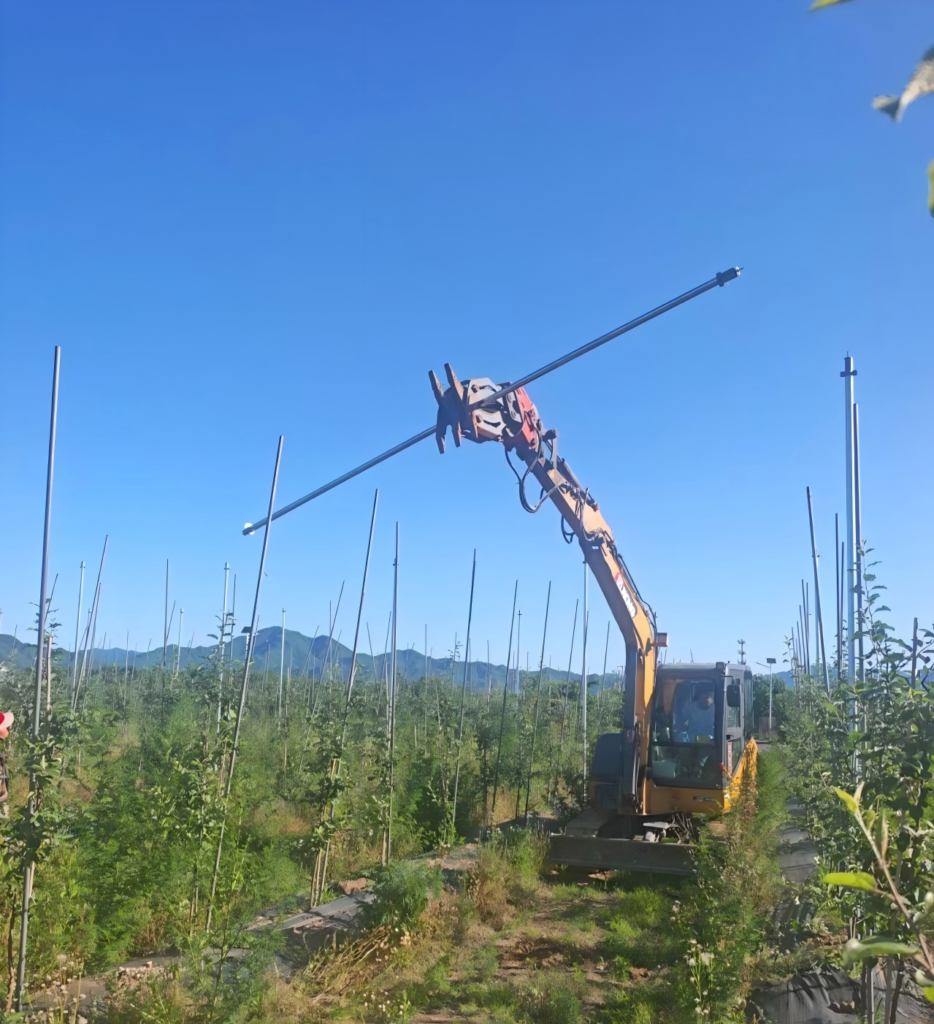
With the framework in place, the next phase involves installing the protective components of the system.
Key steps typically include:
- Cover installation: Attaching rain covers or retractable membranes over the orchard to provide full protection from rainfall.
- Netting installation: For combined protection, anti-hail or insect nets may be added to safeguard fruit further.
- Adjustment of tension: Ensuring that the covers and nets are properly stretched and tensioned to prevent sagging, wind damage, or water pooling.
During this stage, construction teams coordinate closely to maintain consistent coverage and ensure operational functionality, particularly for retractable systems that need to open and close reliably.
Final Adjustments and Inspection
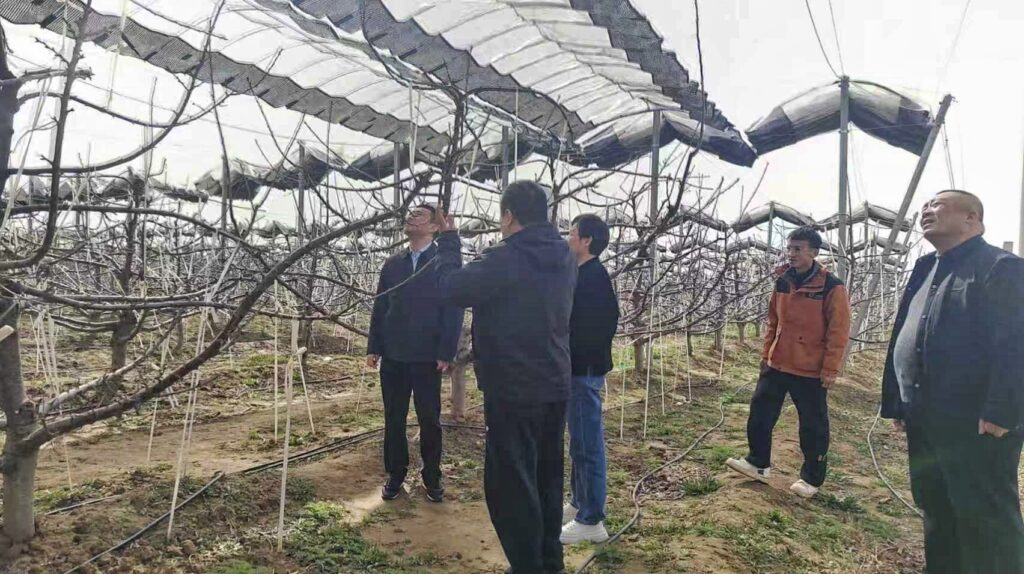
After all protective components are installed, project teams perform detailed inspections to verify:
- Alignment and tension of covers
- Security of support structures
- Proper integration of retractable mechanisms
- Accessibility for orchard operations and maintenance
Any issues identified during inspection are corrected before the system is commissioned for use. This quality assurance step ensures that the orchard protection system will function effectively for years to come.
Bringing the Orchard Into Operation
Once the installation is complete and inspections are finalized, the orchard is ready for protected operation.
At this stage:
- Growers begin to operate the retractable covers according to weather conditions.
- Regular maintenance schedules are established to keep the system functioning optimally.
- Staff are trained in operating and monitoring the system.
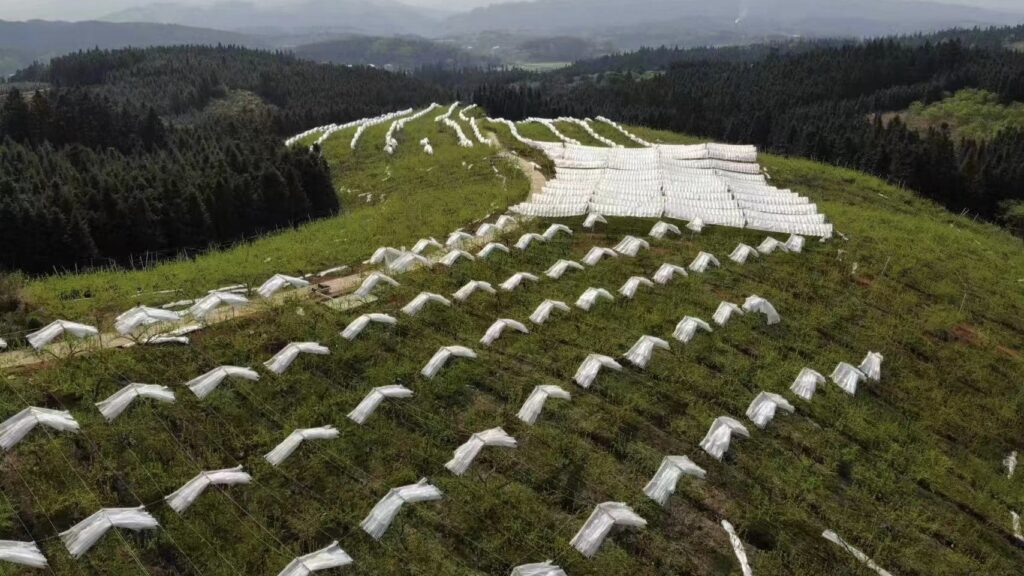
The orchard can now benefit from reduced weather-related losses, improved fruit quality, and greater confidence in crop yields.
Summary
Orchard rain cover installations are complex projects that require careful planning, structural engineering, and coordination. From initial site preparation to final inspection, each phase is designed to ensure that the system functions reliably while protecting fruit crops from weather risks. By understanding the general installation process, growers can better appreciate the value of these systems and plan for smooth implementation.