
From Climate Challenges to Customized Protection Solutions
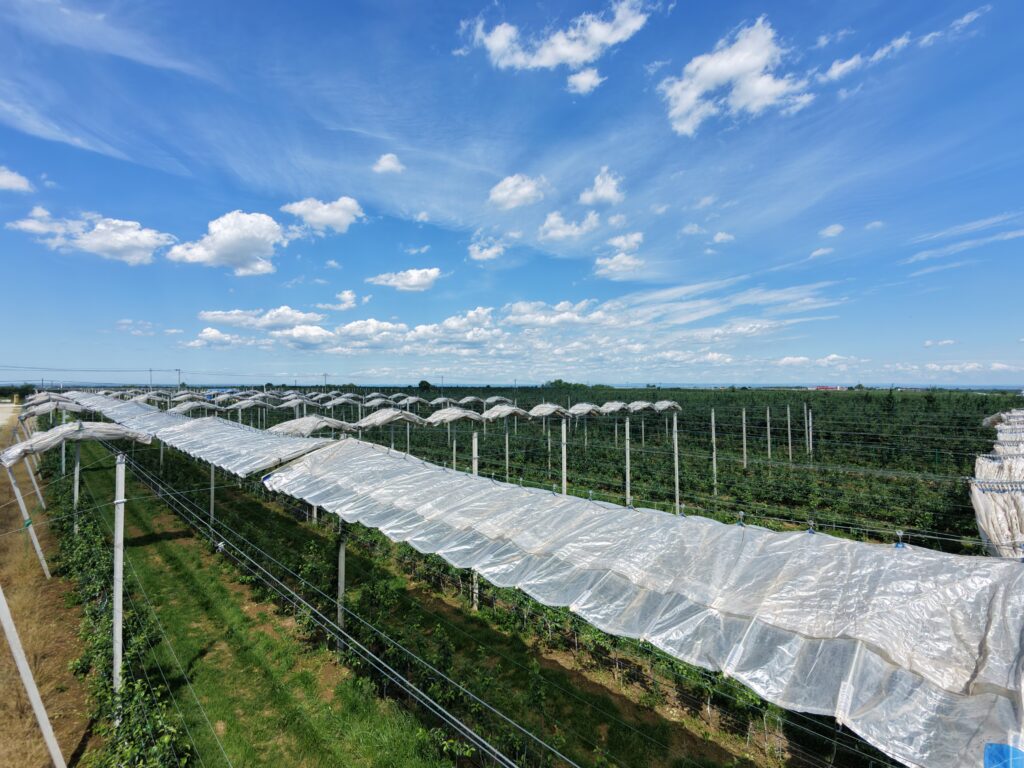
Modern fruit production faces increasing pressure from unpredictable weather. Heavy rainfall, hailstorms, strong winds, and changing climate patterns can significantly affect fruit quality and orchard profitability.
For growers investing in orchard protection systems, success begins long before the first post is installed or the first cover is stretched across the orchard. A well-planned project ensures that the protection system fits the orchard’s layout, local climate conditions, and long-term production goals.
Whether the objective is reducing rain-induced fruit cracking, protecting against hail damage, or creating a multi-functional orchard protection system, careful planning is the foundation of every successful installation.
This article explains how orchard rain cover installation projects are typically planned and why proper preparation plays such an important role in long-term performance.
Why Planning Matters in Orchard Protection Projects
Every orchard is unique.
Even orchards growing the same fruit variety can have completely different requirements based on location, terrain, weather conditions, and management practices.
Because orchard protection systems are long-term infrastructure investments, thoughtful planning helps ensure that the final structure delivers the desired results for many seasons to come.
Proper planning can help growers:
- Improve weather protection effectiveness
- Reduce future maintenance requirements
- Optimize orchard operations
- Support higher fruit quality
- Maximize return on investment
Without a clear project plan, even a well-built system may not perform as efficiently as expected.
Orchard Protection Is More Than Installing a Structure
Many growers initially view rain covers simply as a physical barrier against bad weather.
In reality, modern orchard protection systems influence many aspects of the growing environment, including:
- Rainfall exposure
- Air circulation
- Sunlight distribution
- Humidity levels
- Harvest management
This is why project planning focuses not only on the structure itself, but also on how the system will interact with the orchard throughout the growing season.
Understanding Orchard Conditions Before Installation
Before any design work begins, the orchard must be carefully evaluated.
The goal is to understand the site conditions and identify the factors that will influence system design.
Terrain and Topography
The shape of the land is one of the first factors considered during project planning.
Different terrain conditions present different engineering challenges.
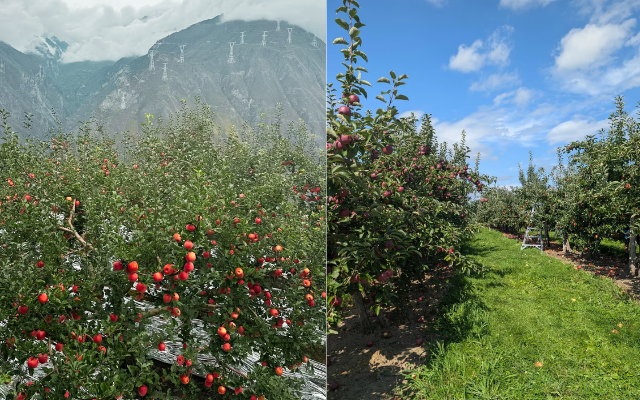
Flat Orchards
Flat orchards generally allow for simpler layouts and more straightforward installation.
They often provide:
- Easier equipment access
- More consistent structural alignment
- Efficient installation processes
Sloped Orchards
Many fruit orchards are located on hillsides or uneven terrain.
In these cases, planners must consider:
- Elevation changes
- Water drainage
- Wind exposure
- Structural stability
A protection system must adapt to the landscape while maintaining strength and functionality.
Row Spacing and Orchard Layout
The spacing between tree rows affects how the protection structure is designed.
Project teams evaluate:
- Row width
- Row length
- Traffic lanes
- Machinery access
The goal is to create a system that protects the crop without disrupting daily orchard operations.
Tree Height and Canopy Development
Tree size also plays an important role.
Young orchards and mature orchards may require different structural approaches.
Factors typically considered include:
- Current tree height
- Future canopy growth
- Pruning systems
- Harvest access requirements
Planning for future growth helps ensure that the system remains effective over time.
Local Climate Conditions
Weather data is one of the most important inputs during project planning.
Design teams typically assess:
- Annual rainfall patterns
- Seasonal storm activity
- Hail risk
- Wind exposure
- Temperature extremes
Understanding these environmental conditions helps determine the most appropriate protection strategy for the orchard.
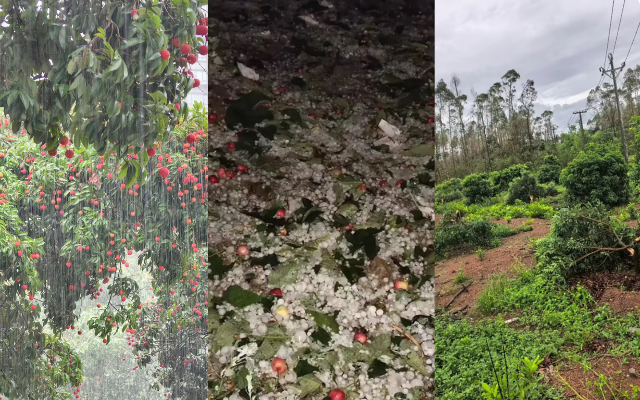
Designing a System Around Grower Goals
No two growers have exactly the same objectives.
Some are focused on reducing fruit cracking, while others may be concerned about hail protection or long-term climate resilience.
The protection system should be designed around the grower’s priorities.
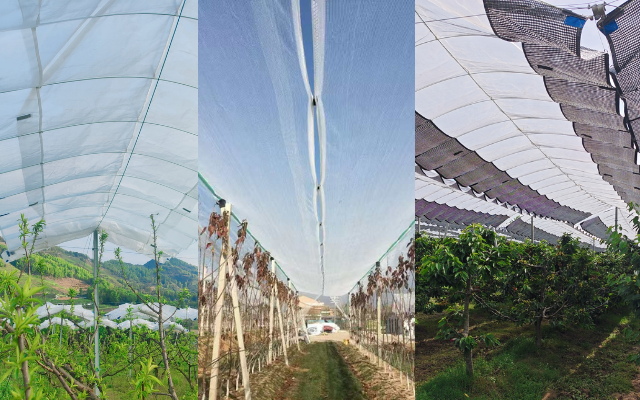
Rain Protection Systems
For many fruit crops, rain is the primary concern.
Excess moisture near harvest can cause:
- Fruit cracking
- Reduced fruit quality
- Harvest delays
- Increased disease pressure
Rain cover systems are designed to minimize these risks while maintaining a healthy orchard environment.
Hail Protection Systems
In regions with frequent hail events, crop protection becomes a critical investment.
Anti-hail systems help reduce:
- Fruit damage
- Tree injury
- Production losses
For high-value crops, hail protection often provides significant long-term value.
Multi-Functional Protection Systems
Many modern orchards are choosing systems that address multiple challenges simultaneously.
These solutions may combine:
- Rain protection
- Hail protection
- Bird protection
- Insect exclusion
- Shade management
Integrated systems provide broader protection and greater operational flexibility throughout the growing season.
Preparing the Orchard for Construction
Once the design phase is complete, attention shifts to preparing the orchard for installation.
Proper preparation helps improve efficiency and ensures a smoother construction process.
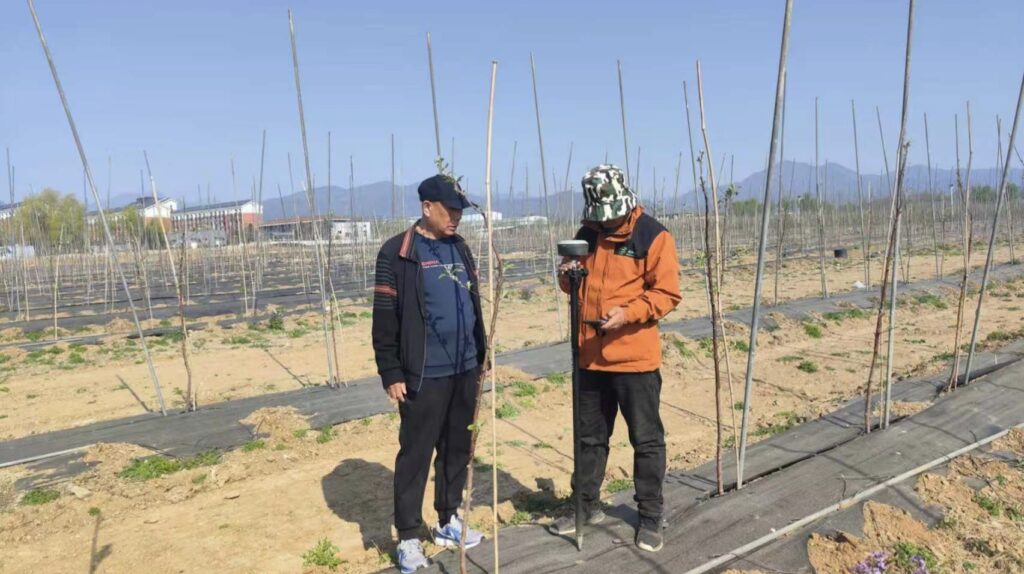
Site Assessment and Marking
Before construction begins, the project area is carefully reviewed and marked.
This process helps define:
- Structure locations
- Access routes
- Installation zones
- Equipment movement paths
Accurate preparation reduces delays during construction.
Access and Logistics Planning
Installation projects often involve moving materials and equipment throughout the orchard.
Teams evaluate:
- Access roads
- Machinery routes
- Storage areas
- Material staging locations
Good logistics planning improves safety and productivity.
Scheduling Around Orchard Operations
Construction activities should fit within the orchard’s production schedule whenever possible.
Project timelines are often coordinated with:
- Pruning periods
- Bloom stages
- Harvest schedules
- Irrigation activities
This minimizes disruption to normal orchard management.
From Design to Installation
Although every project is different, most orchard rain cover installations follow a similar overall process.
Step 1: Orchard Evaluation
The project begins with a detailed assessment of the site, climate conditions, and production objectives.
This information forms the foundation for the entire project.
Step 2: System Design
Engineers and technical teams develop a customized solution based on the orchard’s specific requirements.
Design considerations include:
- Protection goals
- Orchard dimensions
- Climate conditions
- Future expansion possibilities
Step 3: Project Preparation
Materials are organized, schedules are confirmed, and the orchard is prepared for installation.
This stage ensures that construction can proceed efficiently.
Step 4: Installation
The protection structure is installed according to the approved design plan.
Construction teams work to ensure that all components are properly aligned and integrated into the orchard layout.
Step 5: Final Inspection and Handover
Before the project is completed, the system is inspected to verify that it meets project requirements and performs as intended.
The orchard is then ready for operation and seasonal crop protection.
Building a Strong Foundation for Long-Term Success
A successful orchard protection project starts with understanding the orchard, the climate, and the grower’s objectives.
While the visible structure may be the final result, the planning process behind it plays an equally important role.
By carefully evaluating site conditions, defining protection goals, and preparing for installation, growers can create a protection system that supports fruit quality, improves operational efficiency, and reduces weather-related risks for years to come.
As climate challenges continue to evolve, thoughtful planning remains one of the most valuable investments any orchard can make.
Looking for a Customized Orchard Protection Solution?
We specialize in designing and installing customized orchard protection systems for fruit growers around the world.
Our solutions include:
- Orchard rain cover systems
- Retractable protection structures
- Anti-hail net systems
- Multi-functional orchard protection solutions
- Climate-adapted agricultural infrastructure
Whether you are planning a new orchard or upgrading an existing one, our team can help develop a solution tailored to your growing conditions and production goals.
Contact us today to discuss your orchard protection project.